Summer is approaching, and the vision of a perfect backyard oasis is calling your name. Whether it is a sparkling in-ground pool, a sprawling timber deck for family barbecues, or a privacy fence to create your own personal sanctuary, transforming your outdoor space is one of the most rewarding home improvements you can make. However, between your dream and the first day of construction stands a formidable gatekeeper: the local zoning department.
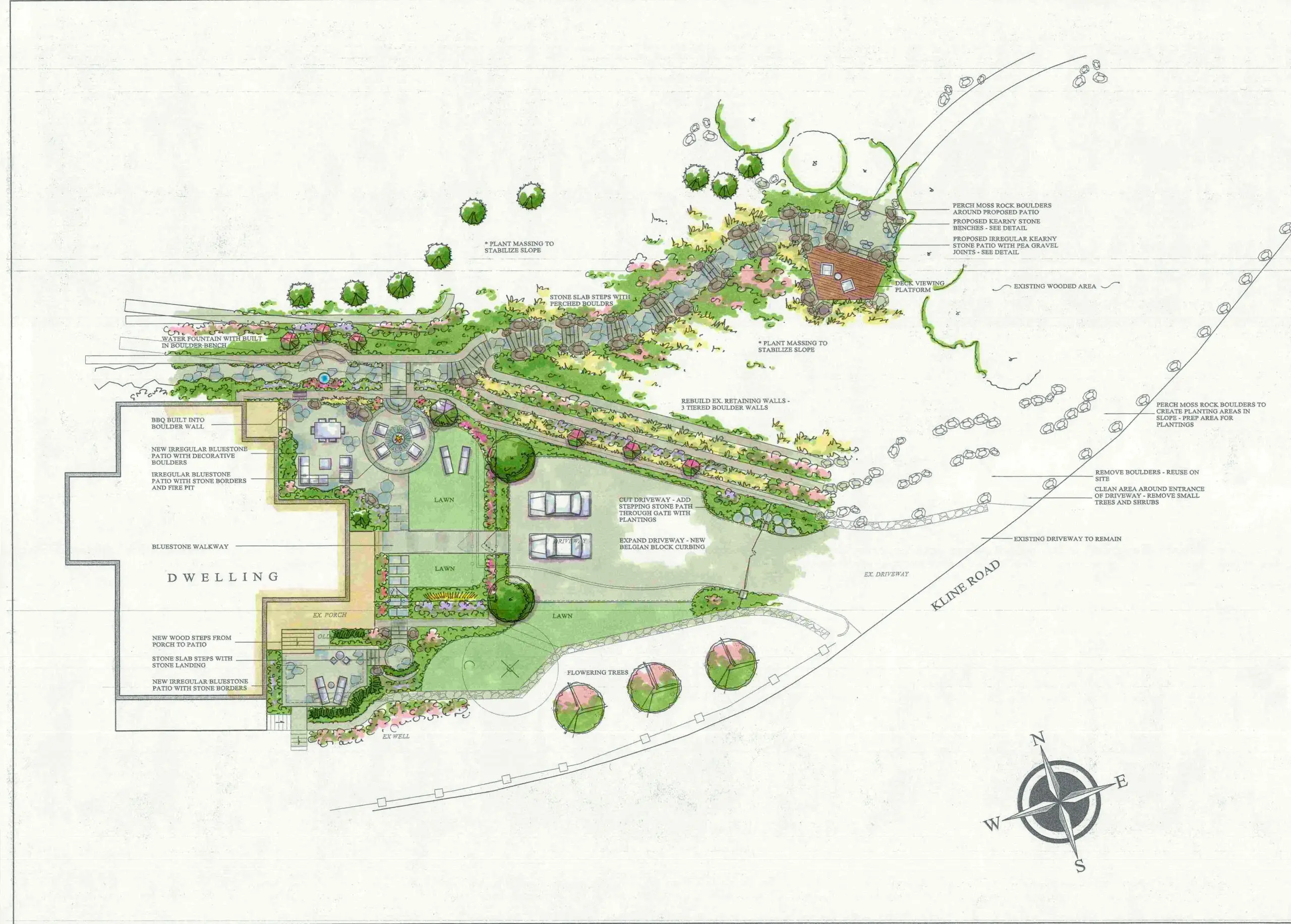
Many homeowners assume that because they own the property, they can build whatever they want, wherever they want. Unfortunately, this is rarely the case. Municipalities enforce strict zoning ordinances to ensure safety, privacy, and environmental stability. A seemingly simple project like a garden shed can trigger a complex web of regulations regarding setbacks and surface coverage. To navigate this maze, you need a clear map—specifically, a detailed residential site plan. This document is your primary tool for proving to city officials that your new oasis won’t violate the “invisible lines” that govern your neighborhood.
1. The Invisible Grid: Setbacks and Easements
Before you pick out pool tiles or fence stains, you must understand the invisible grid that overlays your property. Every lot has “setbacks” mandatory open spaces around the perimeter where no structures can be built. These ensure fire safety and privacy. Additionally, “easements” grant utility companies the right to access parts of your land, meaning you cannot build permanent structures there.
- Front, Side, and Rear Setbacks: Specific distances (e.g., 5 feet from the side, 20 feet from the rear) that must remain clear of vertical structures.
- Utility Easements: Designated strips of land, usually along the back or side property lines, reserved for sewer, water, or electrical infrastructure.
- Build-to Lines: In some subdivisions, houses must align perfectly with neighbors, creating a mandatory building frontage line.
Ignoring these lines is dangerous. If you accidentally build your new deck two feet into a utility easement, the city has the legal authority to make you demolish it at your own cost if they need to access a pipe. A professional site plan plots these easements clearly, ensuring your design respects the “no-build” zones.
2. Swimming Pools: Safety and Separation
Swimming pools are subject to some of the strictest zoning codes in residential construction because they pose significant safety liabilities. It is not enough to just fit the pool in the yard; you must account for the “walk-around” space, the pump equipment, and mandatory safety barriers. Permits for pools almost always require a highly detailed site plan.
- Barrier Requirements: Zoning usually mandates a self-closing, self-latching fence of a certain height (often 48 inches) around the pool area.
- Equipment Location: Noisy pool pumps and filters often have their own setbacks, requiring them to be placed away from bedroom windows or neighbor boundaries.
- Glazing Distances: Building codes may require safety glass in your home’s windows if the pool water is located within a certain distance of the house.
When you order a residential site plan for a pool, it is crucial to choose a package that includes landscape features. The reviewer needs to see not just the water, but the fence line and the gate swing to verify that a child cannot easily wander into the pool area unsupervised.
3. The Impervious Surface Trap
This is the zoning rule that catches the most homeowners by surprise. “Impervious surface coverage” refers to the percentage of your land covered by materials that water cannot soak into (roofs, concrete, asphalt, pool decks). Cities limit this to prevent flooding. If your lot is 10,000 sq ft and the limit is 40%, you can only have 4,000 sq ft of “hard” surface.
- Calculating the Ratio: Summing up the footprint of the house, garage, driveway, walkways, and the proposed new patio.
- Material Exemptions: Some cities allow you to use permeable pavers or gravel to bypass these limits, as they allow water to drain.
- Stormwater Management: If you exceed the limit, you may be required to install expensive drainage systems or dry wells.
A standard survey often doesn’t calculate this for you, but a dedicated site plan for permit purposes will include a data table explicitly listing existing vs. proposed coverage. This calculation can be the difference between an approved permit and a rejected design that forces you to shrink your patio.
4. Fences, Sheds, and Corner Lots
Fences and sheds seem like minor additions, but they generate a high volume of zoning disputes. The most common issue arises with “corner lots”—properties that sit at the intersection of two streets. Cities impose “visibility triangles” on these corners to ensure drivers can see oncoming traffic, which severely restricts fence heights.
- Visibility Triangles: A triangular zone at the street corner where fences cannot exceed a certain height (usually 3 feet), preventing visual obstruction.
- Accessory Structure Separation: Sheds usually must be separated from the main house by a minimum distance (e.g., 10 feet) to prevent fire spread.
- Height Restrictions: While backyard fences can typically be 6 feet high, front yard fences are often limited to 4 feet or require “open” designs like picket fences.
Submitting a site plan for a fence might seem like overkill, but it protects you. It clearly illustrates that your fence line stops before the sidewalk and that your corner visibility remains clear, giving the zoning officer an easy reason to stamp “Approved.”
5. The Rise of ADUs (Accessory Dwelling Units)
The popularity of “Granny Flats” or ADUs has exploded, but they come with a unique set of zoning hurdles. An ADU is essentially a second home on your property, and cities regulate them tightly to prevent overcrowding and parking issues. They are not treated as simple sheds; they are treated as livable residences.
- Primary vs. Accessory: The site plan must clearly distinguish the main residence from the ADU and show the path of travel between them.
- Parking Requirements: Many zones require you to provide a dedicated off-street parking space specifically for the ADU tenant.
- Entry Orientation: Zoning often dictates that the ADU entrance cannot face the same street as the main house to maintain neighborhood character.
For an ADU project, a simple sketch is never enough. You need a comprehensive site plan that details utility connections, parking maneuvers, and strict adherence to the specific ADU ordinances of your city.
Conclusion
Your backyard should be a place of relaxation, not a source of legal stress. Zoning laws, with their complex terminology regarding setbacks and coverage ratios, exist to keep neighborhoods safe and functional, but they can be a headache to decipher on your own. The bridge between your vision and a legal, permitted project is a high-quality site plan.
By presenting the city with a professional document that explicitly proves your compliance, you speed up the review process and eliminate the guesswork. Don’t let a zoning technicality ruin your summer plans.
Ready to break ground on your oasis? Ensure your pool, deck, or fence is legal before you start. Get your residential site plan today and turn your backyard dreams into approved reality.
Frequently Asked Questions (FAQs)
1. Do I need a site plan for a fence replacement? If you are replacing a fence in the exact same location, some cities do not require a plan. However, if you are changing the material, height, or location even slightly, a site plan is usually required to verify setbacks.
2. Can I build a shed in the easement? Generally, no. While some cities might allow “movable” sheds in easements, building a permanent structure on a concrete slab over an easement is prohibited and risks future demolition orders.
3. Does a pool deck count as impervious surface? Yes. Concrete or stone pool decks are considered impervious. However, the water surface of the pool itself is sometimes treated differently depending on the municipality. A professional drafter knows how to categorize this.
4. How close to the property line can I build a deck? This depends on the height of the deck. Low-level decks often have more lenient setbacks, while second-story decks must usually adhere to the same setbacks as the main house roofline.
5. What is a “visibility triangle”? It is a safety zone at street corners where no visual obstructions (like tall fences or hedges) are allowed between 2.5 feet and 8 feet from the ground, ensuring drivers can see pedestrians and cars.
6. Can I order a site plan just for a landscape project? Absolutely. Even if a permit isn’t required, a residential site plan is an excellent tool for planning garden layouts, irrigation systems, and hardscaping to ensuring everything fits perfectly.