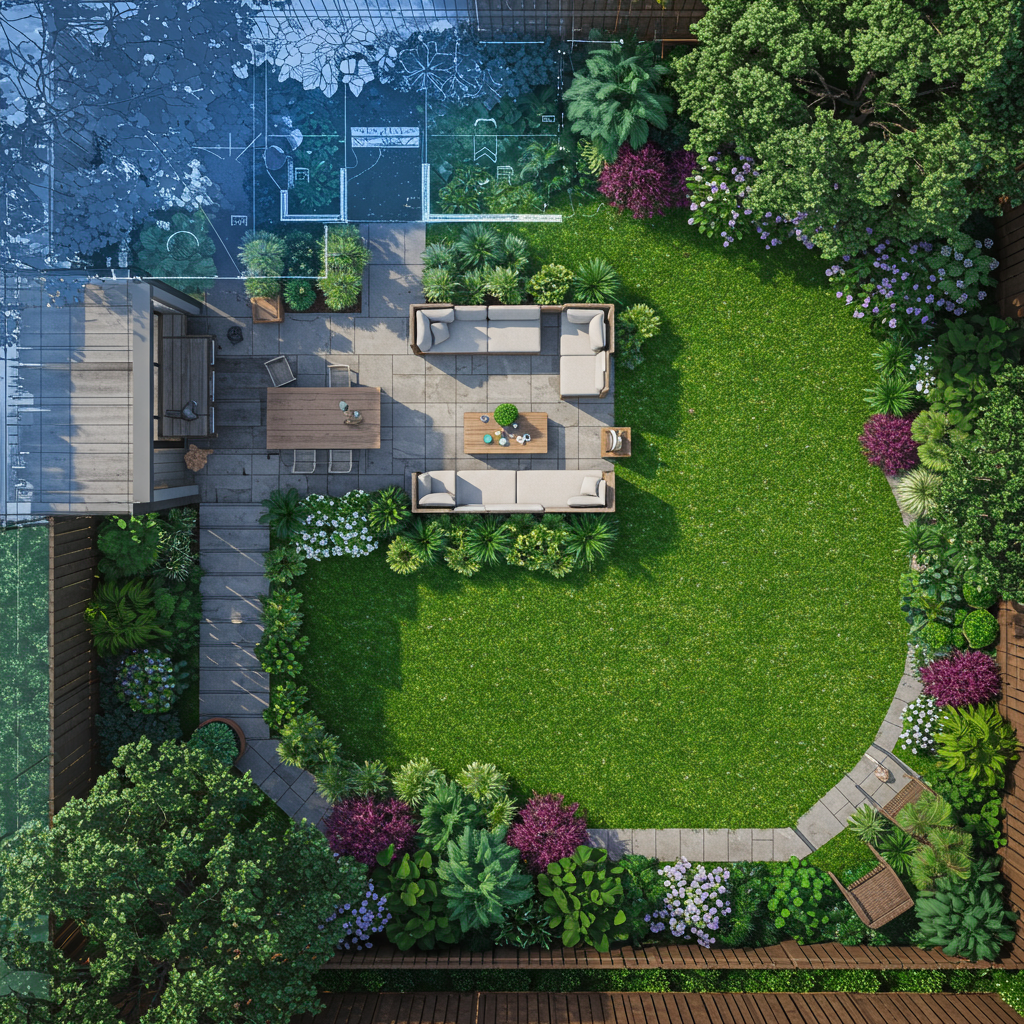
A landscaping site plan might sound like a technical, complicated document, but at its core, it is simply a map of your outdoor space. Think of it as the blueprint for your yard, showing everything that exists now and everything you plan to add. Whether you are a homeowner dreaming of a new patio, a contractor building a new deck, or a designer bringing a client’s vision to life, a landscaping site plan is the single most important tool for any outdoor project.
This guide will walk you through what a landscaping site plan for a permit is, why you need one, and what it should include. We will cover everything from the basic concepts to the detailed requirements for getting permits and working with professionals. By the end of this guide, you will understand how a detailed site plan for permit approval can save you time, money, and stress on your next project.
Understanding the Basics of a Landscaping Site Plan
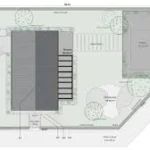
At its most basic level, a landscaping site plan is a detailed drawing that provides a bird’s-eye view of your property. It is drawn to a specific scale, meaning every measurement on the drawing corresponds to a real-world distance. Unlike a floor plan that only shows the inside of your house, a site plan focuses entirely on the outdoor space.
A good landscaping site plan shows both the “hardscape” and “softscape” elements of your property. Hardscape refers to the non-living parts of your landscape, like patios, walkways, driveways, retaining walls, and decks. Softscape includes all the living elements, such as trees, shrubs, flower beds, and lawns. By mapping both of these components, the plan provides a comprehensive overview of your property’s current state and your proposed changes. This visual representation is vital for planning, communication, and getting the necessary approvals for your project.
Why is a Landscaping Site Plan So Important?
Many people wonder if they truly need a formal landscaping site plan for their project, especially for small changes like adding a garden or a small patio. The short answer is: yes, it is almost always a good idea, and often a requirement. A site plan for permit approval is not just a drawing; it’s a critical tool that provides a clear and accurate roadmap for your project. It helps in several key ways:
Firstly, it serves as a foundation for planning. Before you buy any materials or hire a single person, a site plan allows you to visualize your project and make sure everything fits correctly. You can figure out the exact placement of a new retaining wall or the best spot for a new tree without the guesswork. This detailed planning prevents costly mistakes down the line.
Secondly, a site plan is essential for communication with a contractor or landscape designer. When you have a clear, professional drawing, everyone involved in the project is on the same page. You can easily explain your vision, and the contractor can accurately provide a quote, order the right materials, and follow the correct instructions. This reduces misunderstandings and ensures the final result matches your expectations.
Finally, and perhaps most importantly, a landscaping site plan is often required for permits and inspections. Many cities and towns have strict rules about what you can build on your property, including things like new structures, large retaining walls, or even major changes to the terrain. A site plan proves to the local authorities that your project meets all zoning and building codes. Without an approved plan, you may face fines, delays, or even be forced to tear down your new structure. This step is a crucial part of the process, and we explain more about it in our comprehensive guide, The Ultimate Guide to Site Plans for Permits
What to Include in a Comprehensive Landscaping Site Plan
To be effective, a landscaping site plan must be accurate and include specific details about your property. The exact requirements can vary depending on your local regulations and the scope of your project, but a thorough plan generally includes the following key elements:
- Property Lines and Boundaries: This is the most fundamental part of the plan. It shows the exact shape and size of your property, including all corners and dimensions. This information is usually found on a property survey or plat. For more details, see our guide on the difference between a site plan and a survey.
- Existing Structures: All permanent structures on your property must be shown, including your house, garage, shed, and any existing decks or patios. This helps the designer or contractor understand the context of the new project and how it relates to what is already there.
- Hardscape Elements: This section details all the planned non-living features. This includes the location, shape, and size of new patios, walkways, driveways, retaining walls, and fences. It is also important to specify the materials to be used, such as concrete, pavers, or wood.
- Softscape and Plantings: For a true landscaping site plan, this section is critical. It shows the location and type of all new plants, trees, shrubs, and garden beds. For a professional plan, this often includes a plant schedule that lists each plant by its common and botanical name, size at installation, and mature size.
- Utilities and Easements: A good plan will show the location of existing utility lines (water, gas, sewer, electricity). It is also essential to show any easements on your property. An easement is a legal right for someone else to use a portion of your land, and building over one is often prohibited.
- North Arrow and Scale: These two elements are non-negotiable. The north arrow orients the plan correctly, while the scale ensures that all measurements are accurate. For example, a scale might state that one inch on the plan equals ten feet on your property.
- Topography: For projects on sloped land, the plan must include contour lines. These lines show the elevation changes on your property, which is vital for planning drainage, grading, and the placement of retaining walls.
The Different Uses of a Landscaping Site Plan
The purpose of a landscaping site plan can vary greatly depending on who is using it. A homeowner’s plan might be a simple sketch, while a plan for a major commercial project will be a highly detailed document. Here’s how the plan is used by different people:
For Homeowners:
For a homeowner, a site plan for your property is a fantastic way to visualize a dream project. It allows you to plan your outdoor living spaces, a new garden, or a small walkway. Even if a permit is not required, having a simple landscaping site plan helps you manage the project, set a budget, and ensure everything looks and functions as you intended. Whether you’re adding a deck, patio, or garden, a simple plan can clarify space, material choices, and placement. Professional site plans online ensure you stay compliant with local zoning regulations, especially if permits become necessary.
For Contractors:
For a contractor, the landscaping site plan is the most important tool on the job. It provides all the necessary measurements and specifications to accurately build the project. The plan shows the correct placement of new structures and helps the contractor understand how the project fits into the existing landscape. A clear, professional site plan for permit approval minimizes errors and helps the contractor complete the job on time and on budget. Whether it’s a residential or commercial site, a well-drafted plan ensures compliance with municipal demarcation and zoning.
For Designers:
For a designer, the landscaping site plan is the starting point for all creative work. It is the canvas on which the designer creates their vision. They use the plan to ensure their designs are both beautiful and functional, taking into account things like sun exposure, drainage, and property regulations. The plan is used to create detailed design drawings for the client and the contractor. A professional, permit-ready landscaping site plan helps ensure that both aesthetic and functional elements are compliant and viable. For large-scale designs, site plans online provide a fast, digital method of making adjustments, ensuring quick revisions before the final approval.
The Process of Creating a Landscaping Site Plan
The process of creating a landscaping site plan can be broken down into a few key steps. Whether you are doing it yourself or hiring a professional, following this process will ensure a successful outcome.
Step 1: Gathering Information The first step is to gather all the existing data about your property. This includes your property survey, any previous construction drawings, and a list of your project goals. You will need to know the exact property lines, the location of your house, and the locations of any other permanent structures.
Step 2: On-Site Analysis This step involves visiting the property to take measurements and assess the conditions. You will need to measure the distance from your house to the property lines, measure the length and width of any planned structures, and note the location of trees and other landscape features. You should also take pictures to document the existing conditions.
Step 3: Drafting the Plan Once you have all the information, you can start drafting the plan. This can be done by hand on a piece of graph paper or by using a software program. The key is to draw everything to scale. Begin by drawing your property boundaries, then add all existing structures, and finally, draw in your proposed changes. Make sure to include all the essential elements like a north arrow and a legend.
Step 4: Review and Revision After the first draft is complete, it is important to review it carefully to make sure everything is accurate. You may need to make revisions based on new information or feedback. This is also the time to make sure that your plan meets all the requirements for any necessary permits.
For more information on the permit process, please refer to our blog, Residential Site Plans: Your Complete Guide to Getting a Home Permit.
Why You Might Need a Landscaping Site Plan for a Permit
For many projects, a permit is a non-negotiable requirement. Municipalities use permits to ensure that all construction and landscaping projects are safe and comply with local zoning laws and building codes. If you are undertaking a significant project, you will likely need a site plan for permit approval. This is where a formal landscaping site plan becomes essential.
The permit application process typically requires you to submit a detailed site plan that shows exactly what you are building. The city planner or building inspector will review your plan to ensure that the proposed project meets all the legal requirements. They will check things like setbacks (the minimum distance a structure must be from your property line), lot coverage, and drainage. Without a clear and accurate landscaping site plan for permit approval, your application could be delayed or denied.
A professional site plan also provides a historical record of your property for future projects or when it is time to sell your home. Whether you are adding ADUs, building a deck, or installing a pool, having a permit-ready landscaping site plan ensures you avoid costly delays and mistakes. For more information on your local regulations, check your city’s official government website or consult with experts like Site Plans Online USA, who specialize in affordable site plan services and fast digital delivery.
The Difference Between a Landscaping Site Plan and a Landscape Design Plan
While the terms are sometimes used interchangeably, a landscaping site plan is different from a landscape design plan. The site plan is the technical, legal document that shows the location and dimensions of all structures and features. It is focused on accuracy and compliance. A landscape design plan, on the other hand, is more focused on the aesthetic and creative elements of the design.
A landscape design plan might include things like color palettes, plant textures, and detailed 3D renderings of the proposed project. It is often created after the site plan is approved and is used to guide the creative process and help the client visualize the final product. A complete landscape project will often use both types of plans to ensure both the technical requirements and the aesthetic goals are met.
Common Projects That Require a Landscaping Site Plan
Many homeowners are surprised to learn that their project requires a permit and a formal landscaping site plan. To give you a better idea, here are some common projects that often need a site plan:
Building a Deck or Patio: A new deck or patio is considered a structure that will affect the footprint of your property. Installing a Swimming Pool or Hot Tub: Pools and hot tubs have strict regulations regarding their distance from property lines and other structures. Building a Detached Garage or Shed: These are permanent structures that must comply with local setback and zoning laws. Adding a Retaining Wall: A retaining wall over a certain height (often 3 to 4 feet) requires a permit to ensure it is structurally sound and won’t affect drainage. Significant Grading or Changes to Terrain: Major changes to the slope of your property can affect drainage for you and your neighbors, and often require a permit and a landscaping site plan.
It is always a good idea to check with your local building department to see if your project requires a permit. You can also review our guide on commercial site plans for more information on larger projects.
Understanding the Cost of a Landscaping Site Plan
The cost of a landscaping site plan can vary widely depending on the complexity of your project and whether you hire a professional. A simple, hand-drawn sketch for personal use might be free, while a professional plan for a large commercial project could cost thousands of dollars.
For most residential projects, the cost of a professional landscaping site plan is a small but critical part of the overall project budget. While it may seem like an extra expense, paying for a professional plan is an investment that can save you a lot of time and money in the long run by preventing costly mistakes and ensuring your project gets approved the first time. The cost of a professional plan is often a fraction of what you would pay for new materials or labor, making it a wise investment.
Conclusion
A landscaping site plan is the key to a successful outdoor project. It serves as a comprehensive map and guide, helping you avoid costly mistakes and ensuring your project meets all legal requirements. For homeowners, it transforms a dream into a solid plan. For contractors, it provides the clear instructions needed for a smooth build. For designers, it is the canvas for their creativity. Regardless of your role, a professional and accurate site plan is the single best investment you can make for your next landscaping venture. It brings clarity, saves time, and provides the peace of mind that comes with knowing your project is built correctly from the ground up.
Why Choose Us for Your Landscaping Site Plan
When your project requires a professional landscaping site plan, choosing the right partner is crucial. We specialize in creating accurate, detailed, and permit-ready site plans for homeowners, contractors, and designers. Whether you need a site plan for permit approval for a deck, patio, or ADU, our team understands the specific requirements of local regulations and works to ensure your plan is perfect the first time, helping you avoid frustrating delays and costly re-dos.
We offer affordable site plan services that streamline the permit application process. Our plans are tailored to meet the needs of both residential and commercial projects, and are accepted across all 58 California counties. We believe the process should be straightforward and stress-free. By using our services, you get a clear, easy-to-read plan that not only meets all legal requirements but also acts as a solid foundation for your project, allowing you to focus on the fun part: bringing your outdoor vision to life.
Frequently Asked Questions About Landscaping Site Plans
Frequently Asked Questions About Landscaping Site Plans
Q1: Do I need a landscaping site plan for a simple backyard garden or planting project?
A: For a small garden or a simple planting project, you typically don’t need a formal, permit-ready landscaping site plan. However, creating a basic sketch or site plan for your property is always a good idea to help visualize where everything will go. For major projects like adding a deck, pool, or retaining wall, a site plan for permit is usually required.
Q2: How long does it take to get a landscaping site plan?
A: The timeline for a site plan for permit approval depends on the complexity of your project. A basic plan may take a few days, while more detailed plans for large-scale projects could take up to two weeks. At Site Plans Online USA, we offer fast digital site plans with 24-hour delivery for most residential projects.
Q3: Can I create my own landscaping site plan?
A: While you can attempt basic sketches, professional landscaping site plans ensure accuracy and compliance with zoning laws and building codes. If you’re planning a project that requires a permit, it’s always best to hire a professional for permit-ready plans.
Q4: Do I need a licensed surveyor for my site plan?
A: For most residential projects, you don’t need a licensed surveyor. We use GIS data and satellite imagery to create accurate site plans. However, for complex projects or those involving legal boundary disputes, a professional survey may be required.
Q5: What file formats will I receive for my site plan?
A: We deliver site plans in PDF, JPG, and DWG formats, ready for digital submission or printing. These formats are widely accepted for permit approval across the U.S.
Q6: Are digital site plans accepted for permits?
A: Yes, digital site plans are widely accepted across all 50 states, including California, for most residential and commercial projects. Our permit-ready plans ensure that your project complies with local regulations.
Q7: How much does a professional landscaping site plan cost?
A: The cost of a landscaping site plan depends on the complexity of your project. For residential projects, Site Plans Online USA offers affordable site plan services, with pricing starting at $99. Prices may vary based on the size of the property and the project’s scope.
Q8: What is the difference between a landscaping site plan and a landscape design plan?
A: A landscaping site plan focuses on the technical, legal aspects of your project, such as measurements, zoning, and placement of structures. A landscape design plan, on the other hand, is more creative and focuses on aesthetics, such as plant selection, colors, and layout. Both plans are crucial for a successful project, but the site plan is necessary for obtaining permits.