Embarking on a new home improvement or construction project is an exciting venture. Whether you’re planning a new deck, a home addition, or an accessory dwelling unit (ADU), the path from idea to reality starts with the right paperwork. For many homeowners, the terms “plot plan” and “site plan” are often used interchangeably, leading to confusion and potential project delays. While they may sound similar and both depict your property, they serve fundamentally different purposes in the world of building permits and urban planning.
Understanding the difference between a plot plan and a site plan is not just about vocabulary; it’s a crucial step that can determine the success of your permit application. A plot plan is the foundational document, a simple map of your existing property, while a site plan is the detailed blueprint for a proposed project. For a homeowner in the USA, knowing which one to use is the first step toward a smooth and efficient build. This article will break down each document, explain their specific uses, and provide the expert insight you need to navigate this essential part of your project.
What Is a Plot Plan in the Plot Plan vs. Site Plan Discussion?
A plot plan is the simplest form of a property drawing. Its primary function is to provide a scaled, high-level view of a land parcel and the existing structures on it. Think of it as a basic map that shows what is currently on the property and where the legal boundaries are. A plot plan is a great starting point for any project, as it confirms the existing conditions before you introduce new ones. It is typically prepared based on official records like county assessor’s data or a previous survey.
The core purpose of a plot plan is to verify that any additions or changes you propose for your property will not violate zoning laws related to setbacks or encroach on easements. It’s an essential document for city or county officials who need a quick snapshot of your property without the overwhelming detail of a full construction plan. While it is less complex than a site plan, it is a key document for a variety of projects.
Key Elements of a Plot Plan
A homeowner might use a plot plan to apply for a permit for a simple project like a fence, a small patio, or a minor home repair. In these cases, the city or county is primarily concerned with confirming that the project is not too close to the property line or interfering with any legal easements. The key elements that define a plot plan include:
- Property Lines: The legal boundaries of your property, with dimensions clearly marked.
- Existing Structures: The “footprint” of all buildings already on the property, including your main house, detached garages, and sheds.
- Setback Distances: The distance between your existing structures and the property lines. This is a critical detail that zoning officials use to ensure compliance with local codes.
- Easements: Any legal rights of way or utility access points that exist on your property.
What Is a Site Plan in the Plot Plan vs. Site Plan Comparison?
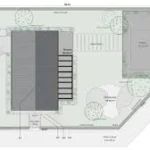
A site plan, in contrast, is a more detailed and complex drawing that goes far beyond the basics of a plot plan. While it includes all the information found on a plot plan, it adds specific, detailed information about a proposed new project. This is the document that building officials use to verify that your new construction or addition will comply with all local zoning and building codes. If you’re wondering how to get a site plan for a city permit, the site plan is the document they are referring to.
The site plan is the workhorse of your permit application. It proves to building officials that your new project is safe, meets all building codes, and will not negatively impact neighboring properties or public infrastructure. It is a critical component of any permit application for a major project. For a deeper understanding of this process, you can find a guide on how to read a site plan guide for homeowners.
Additional Details Included on a Site Plan
In addition to all the elements of a plot plan, a site plan must include:
- Proposed Structures: The precise location, dimensions, and shape of any new building, addition, or other feature, like a new driveway or swimming pool.
- Grading and Drainage: Information on how the landscape will be graded and how rainwater runoff will be handled to prevent erosion and flooding.
- Utility Connections: The location of all existing and proposed utility lines, including water, sewer, and electric.
- Landscaping: Details on any new landscaping, including tree locations and planting areas.
- Parking Layouts: Required for commercial and some residential projects, showing the number and location of parking spaces.
Key Differences and When to Use Each: The Plot Plan vs. Site Plan Breakdown
The primary difference between a plot plan and a site plan lies in their purpose and level of detail. A plot plan is for verification of existing conditions, while a site plan is for the approval of new or proposed conditions. A plot plan is a stepping stone; a site plan is the final blueprint for construction.
When do you need a plot plan? You may only need a plot plan for smaller projects where the city simply needs to confirm that a new fence, shed, or deck will not violate setback rules or easements. A plot plan is sufficient when you are only adding to your property, not changing it in a significant way that impacts utilities, grading, or a building’s footprint.
When do you need a site plan? You will always need a site plan for any project that requires a building permit. This includes new construction, major additions, or projects that affect utilities or drainage. The site plan is the document that demonstrates compliance with complex zoning requirements. When applying for a permit, you might even need a conditional use permit if your project doesn’t fully align with standard zoning codes.
To put it simply, if you’re asking yourself how to get a site plan for a permit in the USA, you are likely undertaking a project that requires a full site plan. The requirements for a plot plan vs. site plan are a key distinction that can make or break your permit application.
The Expert Difference: Why Professionals Are Essential for Plot Plan vs. Site Plan
While it might be tempting to save money by creating your own plot plan or site plan, the risk of a mistake is high. Errors in scale, missing information, or a failure to account for all local zoning laws can cause your project to grind to a halt. A rejected permit application means more paperwork, more waiting, and potentially costly redesigns.
Professional drafters and designers specialize in creating permit-ready drawings. They have access to the latest parcel data, official city records, and the expertise to interpret complex local codes. They know exactly what information your city requires, ensuring your application is complete and accurate the first time you submit it. This expert-level service saves you not just money in the long run but also the headache and stress of a prolonged permitting process.
Conclusion
Understanding the distinction between a plot plan and a site plan is a critical first step for any homeowner embarking on a new construction or home improvement project. While a plot plan serves as a foundational map of your existing property, a site plan is the detailed, comprehensive blueprint required for a building permit. By providing the correct, professionally prepared document from the start, you not only demonstrate your project’s compliance with local regulations but also pave the way for a faster, smoother, and more successful build.
Why Choose Site Plans online USA
Navigating the complexities of building permits and drawing requirements can be overwhelming. At Site Plans Online, we are not just drafters; we are experts in the building permit process. We understand that every project, from a small deck to a new home, is unique and requires a tailored approach. Our commitment is to provide you with a professional, permit-ready site plan that meets or exceeds the specific requirements of your local jurisdiction.
- Nationwide Expertise, Local Compliance: Our team has extensive experience working with municipalities across all 50 U.S. states. We use the latest GIS and parcel data to ensure your drawing is accurate down to the last detail, no matter where your property is located. We are committed to staying current with the ever-changing codes and regulations, so you don’t have to.
- Speed and Efficiency: We know that time is money. That’s why we have streamlined our process to deliver high-quality site plans quickly, without the need for a physical site visit. By leveraging technology and our deep understanding of permit requirements, we eliminate the delays and guesswork that often come with traditional methods.
- Comprehensive and Professional Drawings: Our drawings are created to a professional standard, designed for clarity and precision. Each site plan includes all the required elements—from property lines and setbacks to utilities and easements—ensuring your application is complete the first time you submit it. We provide you with a product that building officials will respect and approve with confidence.
- A Partner in Your Project: We don’t just hand you a drawing; we provide a service. We are here to support you in your journey, offering expert guidance and a seamless process from your first inquiry to the moment your permit is approved.
Frequently Asked Questions
Q: Can I use a plot plan for my building permit application?
A: For most projects that require a building permit, especially those involving new construction or structural changes, a plot plan is not sufficient. Building officials require the level of detail provided in a site plan to verify compliance with zoning laws, setbacks, and other regulations. Submitting a plot plan in place of a site plan will likely lead to a permit rejection and delays.
Q: What if I only need a simple plot plan? Do you offer that service?
A: While our primary focus is on creating permit-ready site plans, our professional drafting services can also provide a detailed plot plan if that is all your project requires. Our process ensures the same level of accuracy and professionalism, giving you a reliable document for your specific needs.
Q: Is a site plan the same as a survey?
A: No, a site plan is not the same as a survey. A land survey is a legal document that establishes your property’s precise boundaries and is performed by a licensed surveyor who visits the property. A site plan is a drawing created using survey information and other official data to show a proposed project on the property. We use survey and GIS data to create our site plans, but we do not perform the physical survey ourselves.
Q: How can I tell if I need a site plan or a plot plan?
A: A good rule of thumb is to check with your local municipality’s permit office. However, a site plan is typically required for any project involving new construction, foundations, changes to utility lines, or significant additions. If your project is a simple one like a fence or small non-permanent structure, a plot plan may suffice. When in doubt, it is always safer to obtain a professional site plan to avoid delays.
Q: Will a professional site plan guarantee my permit is approved?
A: A professional, permit-ready site plan is a critical component for a successful application and significantly increases your chances of approval. While we cannot guarantee permit approval (as it depends on your project’s compliance with all local codes), we provide a document that is accurate, complete, and professionally prepared, which is often the key to a smooth process.