When you’re planning a new construction project—whether it’s a new home, a deck, or a commercial building—the excitement can be overwhelming. You have a vision for a space that will bring your ideas to life. But before any ground can be broken or a single nail is hammered, there’s a critical step that every project in the USA must go through: obtaining a building permit. And at the heart of that process is the site plan for permit approval.
A building permit isn’t just bureaucratic red tape; it’s a vital safeguard. It ensures that your project is safe, structurally sound, and in compliance with all local laws and codes. It protects your investment and, most importantly, the safety of anyone who will use the structure. The site plan is the map that guides this entire process. It’s the visual blueprint that shows building officials exactly what you are planning to do on your property, and how your project will relate to everything around it, from existing structures to property lines.
The requirements for a building permit site plan are not universal. They vary significantly from one city, county, and state to another. What works in a small town in Montana might not be acceptable in Los Angeles, New York, or Atlanta. This is why having a deep understanding of the site plan requirements for a building permit is not just helpful—it’s absolutely essential to avoiding costly delays and potential rejection of your application. For example, the requirements in the nation’s most populous state, California, can be particularly detailed; if you’re working on a project there, you should review our specific.California Site Plan Guide.
What Exactly Is a Site Plan for Building Permits? A Blueprint of Your Entire Property
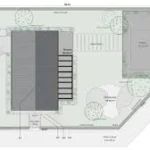
Before we dive into the specific requirements, let’s establish a clear understanding of what a site plan is. IBefore we dive into the specific site plan requirements, let’s establish a clear understanding of what a site plan for building permits is. In its simplest form, a site plan is an accurate, scaled drawing of your entire property, as viewed from above. It’s often confused with a floor plan or a survey, but it serves a very different purpose.
A survey is a legal document created by a licensed surveyor to establish and mark the precise boundaries of your property. While a survey is often the starting point, it doesn’t include your proposed new structures or renovations.
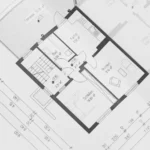
A floor plan shows the internal layout of a building, detailing rooms, walls, windows, and doors. It’s focused on the inside, while a site plan is focused on the outside.
A site plan for permit approval integrates key information from a survey with your project details to create a single, comprehensive drawing. It is the core document that demonstrates your project’s compliance with local zoning laws and regulations. It provides a visual snapshot of your parcel and everything on it, giving officials a clear picture that words alone cannot convey. This ensures fast permit approval and helps you avoid costly rework or delays during construction.
Why Do You Need a Site Plan for a Building Permit?
The need for a site plan is rooted in safety, legality, and urban planning. Building officials use your site plan to verify that your proposed project adheres to a number of critical regulations, including:
- Zoning Laws: These are local ordinances that govern how land can be used. They dictate everything from the type of buildings allowed in a certain area (residential, commercial) to specific dimensional standards. Your site plan for permit approval ensures that your project complies with these zoning regulations, reducing the chance of rejections or delays.
- Setback Requirements: A key aspect of zoning, setbacks are the minimum distances a structure must be set back from property lines, streets, and other structures. This crucial detail is easily verified with an accurate site plan for building permits. Without these clear measurements, your project could violate local codes.
- Easements: These are legal rights that allow someone else to use a portion of your property for a specific purpose, such as a utility company needing access to power lines or a neighbor having a right-of-way. Your site plan must show these clearly to prevent future legal conflicts and ensure compliance with property access laws.
- Infrastructure: Building officials need to know how your project will impact local infrastructure, including public utilities, drainage systems, and street access. A professionally prepared site plan will detail these features, ensuring your project is aligned with local infrastructure needs and avoiding any future complications.
Submitting a clear, professional site plan can significantly expedite the permit application process. When a city official can quickly and easily find all the information they need, it reduces the need for them to send you requests for missing information, which is a major cause of delays.
Essential Information to Include on a Site Plan Drawing
To ensure your building permit site plan is complete and accurate, it must include a specific set of features and information. This is where most applicants run into trouble, as a single missing detail can lead to a rejection. While requirements can vary, these are the universal elements that you must include:
- Property Information: Your site plan must clearly identify the property, including the full address, the Assessor’s Parcel Number (APN), and the name of the property owner.
- North Arrow and Scale: All drawings must have a clear north arrow to indicate orientation and a scale (e.g., 1” = 20’) to ensure the drawing is a proportional representation of the property.
- Property Lines and Dimensions: This is the foundation of your site plan. All property lines must be clearly shown with their precise lengths and the angles at each corner.
- Location of All Existing Structures: Every building, shed, deck, and even a retaining wall must be shown and labeled.
- Location and Dimensions of Proposed Structures: This is the most important part of your plan. Your new home, garage, or even a simple deck must be drawn to scale and fully dimensioned.
- Setback Distances: The distance from the nearest point of your proposed structure to all property lines and other structures must be clearly labeled.
- Driveways, Walkways, and Parking Areas: Show all existing and proposed paths for vehicles and pedestrians.
- Utilities and Easements: Mark the location of all utility lines (water, sewer, gas, and electric) and any recorded easements on the property.
- Natural Features: This includes the location of streams, ponds, wetlands, and any significant trees that may be protected by local ordinances. This is also where you would include any planned landscaping features. For more detailed information, read our Guide to a Landscaping Site Plan and learn What a Landscaping Site Plan is.
An incomplete site plan is the single biggest reason for a permit application to be rejected. Ensuring you have every element, no matter how small, is critical for a smooth process.
The Different Requirements for Residential and Commercial Projects
While the basic principles of a site plan for permit approval remain the same, the complexity and detail required can differ vastly between residential and commercial projects. A simple residential site plan for a shed or pool will typically require less information than a large-scale commercial development.
For residential projects like decks, sheds, or additions, the primary concern is often setbacks, drainage, and property line encroachments. A professional site plan for a new home or residential addition, however, will be much more detailed, often including grading plans, stormwater management, and more in-depth utility information to ensure compliance with local building codes and zoning laws.
Commercial site plans, on the other hand, are significantly more complex. These plans must not only address zoning and setbacks but also consider the impact on public infrastructure. Requirements often include detailed parking layouts, traffic flow analysis, lighting plans, and extensive landscaping designs. A commercial site plan for a new office building or retail space will also need to comply with specific fire codes and accessibility standards, which can vary depending on local regulations.
Understanding the Importance of Zoning and Local Codes
One of the most frequent mistakes people make is underestimating the power of local zoning laws. These codes are the final authority on what you can and cannot build. For example, a city might have a zoning code that specifies a minimum lot size for a new home, or a maximum height for a garage. You could design a perfect structure, but if it violates a local setback or height restriction, your permit will not be approved.
A professional site plan is a document that visually demonstrates your project’s compliance with these complex, often hard-to-find, regulations. Professionals who work with permits every day know how to read and interpret these codes and apply them to your drawing, saving you countless hours of research and potential mistakes. They can also work with you to adjust your design so it fits within the legal parameters of your specific property.
The Role of Topography, Drainage, and Utilities
While property boundaries and building footprints are obvious requirements, many people overlook other crucial details. Topography and drainage are excellent examples. If your property is on a slope, the permit office will want to see how your new structure will handle rainwater runoff. They need to ensure your project won’t cause flooding or erosion on a neighboring property. This requires including accurate topographic contour lines on your site plan.
Similarly, the location of utilities is not just a formality. The city needs to verify that your new construction won’t interfere with buried gas, water, or sewer lines. Failing to accurately show a main sewer line could lead to major construction headaches or a total project halt if it is discovered after work has begun.
Navigating the Permit Application Process
The journey from a drawing to an approved permit involves a formal application process. After you’ve completed your site plan for a permit, you will submit it along with other necessary documents, such as architectural drawings, floor plans, and sometimes a foundation plan.
Once submitted, your application will be reviewed by multiple departments, including zoning, building, and engineering. Each department checks for compliance with their specific codes. This is where an accurate and comprehensive site plan is a lifesaver. It allows reviewers to quickly confirm your project’s compliance, streamlining the entire process.
The Pitfalls of DIY Site Plans
In an effort to save money, many homeowners and even contractors attempt to create their own site plans. While this is sometimes permissible for very small projects, it often leads to critical errors that cause delays and rejections. Common DIY mistakes include:
- Inaccurate Scaling and Measurements: Using an aerial image from Google Maps and a ruler is not an accurate way to create a scaled drawing.
- Missing Information: Forgetting to include easements, setbacks, or utility lines is easy to do if you don’t know what to look for.
- Lack of Proper Format: Most municipalities have specific requirements for sheet size, font, and other formatting details that a novice might miss.
- Code Violations: A DIY plan may unknowingly violate local setback or zoning codes, leading to a rejected application.
A professional service like Site Plans Online uses GIS and parcel data to create accurate, permit-ready drawings that meet all local requirements. By leaving the drafting to experts, you can focus on the other aspects of your project, confident that your permit application will be a success.
Conclusion
Navigating the complexities of building permits and site plan requirements can be a daunting task. From understanding intricate local zoning laws to ensuring every detail is perfectly to scale, the process is filled with potential pitfalls that can lead to costly delays. A meticulously prepared site plan is not merely a drawing; it is the cornerstone of a smooth, successful project. It serves as your primary tool for proving compliance, protecting your investment, and bringing your vision to life. By understanding the essential components and the value of professional expertise, you set the stage for a project that is not only successful but also completed with confidence and peace of mind.
Why Choose Site Plans Online USA
At Site Plans Online, we are not just drafters; we are experts in the building permit process. We understand that every project, from a small deck to a large commercial development, is unique and requires a tailored approach. Our commitment is to provide you with a professional, permit-ready site plan that meets or exceeds the specific requirements of your local jurisdiction.
Nationwide Expertise, Local Compliance: Our team has extensive experience working with municipalities across all 50 U.S. states. We use the latest GIS and parcel data to ensure your drawing is accurate down to the last detail, no matter where your property is located. We are committed to staying current with the ever-changing codes and regulations, so you don’t have to.
Speed and Efficiency: We know that time is money. That’s why we have streamlined our process to deliver high-quality site plans quickly, without the need for a physical site visit. By leveraging technology and our deep understanding of permit requirements, we eliminate the delays and guesswork that often come with traditional methods.
Comprehensive and Professional Drawings: Our drawings are created to a professional standard, designed for clarity and precision. Each site plan includes all the required elements—from property lines and setbacks to utilities and easements—ensuring your application is complete the first time you submit it. We provide you with a product that building officials will respect and approve with confidence.
A Partner in Your Project: We don’t just hand you a drawing; we provide a service. We are here to support you in your journey, offering expert guidance and a seamless process from your first inquiry to the moment your permit is approved.
Frequently Asked Questions (FAQs) – Site Plans for Permits
Q1: How much does a site plan cost?
The cost of a site plan for a building permit varies depending on the complexity of your project and the size of your property. We offer clear, tiered pricing based on your specific needs. Our residential site plans are designed for common projects like sheds, pools, and decks, while our commercial plans cater to more complex developments. You can get an instant quote on our website to understand the exact cost for your project.
Q2: How long does it take to get a site plan?
Our standard turnaround time is typically a few business days. We specialize in fast site plans to help you avoid project delays. Once you place an order, we begin working on your permit-ready site plan immediately to deliver it to you as quickly as possible.
Q3: Do I need a land survey before ordering a site plan?
While a recent survey can be helpful, it is not always required. We can typically access all the necessary property information, including parcel data and property line records, through public databases and our GIS tools. This allows us to create an accurate, permit-ready site plan without the added time and cost of an on-site survey.
Q4: What if my city or county has specific requirements for site plans?
We pride ourselves on creating site plans that meet specific local requirements. Before beginning your drawing, we conduct a detailed review of your local jurisdiction’s regulations and building codes to ensure your site plan is compliant. Our goal is to provide a plan that is ready for submission and approval.
Q5: What is the difference between a floor plan and a site plan?
A site plan shows the entire property from an overhead view, including the location of the proposed structure, property lines, setbacks, and other external features. A floor plan shows the internal layout of a building, including walls, rooms, windows, and doors. Both are often required for a complete permit package.
Q6: Can I use a DIY site plan for my building permit application?
While DIY site plans may work for small, non-structural projects, it is always better to use a professional site plan. DIY plans often lack the necessary details like accurate scaling, setbacks, and compliance with local zoning laws, which could result in delays or rejections from building officials.
Q7: Are digital site plans accepted for permits?
Yes, digital site plans are widely accepted across all 50 states for permit approvals. We provide PDF, JPG, and DWG formats to ensure your plan is easy to submit digitally.
Q8: Can I get a site plan if I’m only making minor changes to my property?
Even for minor changes, such as adding a new fence or garden, a site plan may still be necessary, depending on local regulations. It is always best to check with your city or county to see if a site plan is required. Site plans are often needed to comply with zoning and setback rules.
Q9: Do I need to include utilities on my site plan?
Yes, it’s essential to include utilities like water, sewer, gas, and electrical lines on your site plan. This ensures that the proposed project won’t interfere with existing utilities and complies with local regulations.
Q10: What should I do if my site plan is rejected by the city or county?
If your site plan is rejected, review the feedback from the city or county. Often, issues arise from missing information, such as setbacks, property lines, or zoning violations. We offer unlimited revisions to ensure your site plan meets all the necessary requirements for permit approval.