Creating a site plan for your property in the USA can feel confusing, especially if you are applying for a building permit for the first time or planning a home improvement project. Many homeowners believe they must hire expensive surveyors or architects before they can begin. In reality, preparing a site plan USA has become much simpler. With the correct information and a clear understanding of what your building department expects, you can begin confidently and avoid unnecessary delays. This guide explains how to start creating a site plan for permit review in a simple and clear way so homeowners understand every step. You will learn the requirements, the level of detail needed, and how to prepare a site plan for permit approval or HOA submission.
What a Site Plan Is and Why You Need One
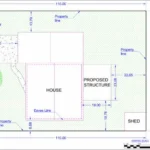
A site plan is a scaled drawing that shows the structures and layout of your property. It includes lot dimensions, the main building footprint, driveways, accessory structures, walkways, and the location of any new work you plan to add. Building departments across the USA require a site plan when reviewing permits for decks, fences, pools, sheds, garages, additions, driveways, and many other improvements. The site plan helps the city understand how your project fits within your property boundaries and whether the design follows zoning requirements such as setbacks, height limits, and building coverage rules. A site plan also helps prevent construction mistakes because the layout is measured and documented clearly. If your project requires HOA approval, the site plan provides the committee with a visual representation of your design before they make a decision. For more helpful guidance, you can explore educational articles on our blog.
Understanding Basic Site Plan Requirements in the USA
Every building department has its own checklist, but most request similar information. They want to see the complete layout of your property drawn to scale. They review the distance between structures, the location of new work, the relationship to property lines, and whether the project meets zoning and safety rules. Common requirements include the lot boundaries, the main home, accessory structures, driveways, and the north arrow. Some departments require additional information such as trees, pools, utility lines, walkways, rooflines, or drainage features. When you understand the requirements early, the approval process becomes smoother and easier. For more details on standard questions, you can visit faqs.
What to Include in a Standard Site Plan for Residential Properties
A residential site plan shows both the current layout of your property and the changes you want to make. Cities want to see property lines, the shape and size of the main building, the distance between structures, the driveway and walkway layout, patios, sheds, porches, fences, gates, trees that may affect construction, and clear measurements of proposed work such as a new deck, garage, fence, or extension. These details help the reviewing officer understand your project clearly, without the need for additional drawings. When all required elements appear on your plan, approval becomes faster and more predictable.
How to Collect Your Property Information Before Starting
Most homeowners can gather the required information without leaving home. Begin by confirming your property address and checking public property maps on your county website. These maps usually include lot dimensions, parcel boundaries, zoning classifications, and aerial views. Older closing documents may include a previous plot plan that can serve as a reference. Satellite imagery from online map tools also helps identify the location of structures and outdoor features. When you combine these resources, you have enough information to begin preparing your site plan USA accurately.
How to Prepare a Site Plan Without a Survey
Many homeowners ask whether a survey is required before creating a site plan. In most cases, a survey is not needed. Many cities accept a non certified site plan created using GIS mapping, county parcel records, and accurate measurements provided by the homeowner. Surveys are valuable but often required only for large additions, property disputes, or high precision boundary work. Most online site plan services prepare accurate site plan for permit approval by using property data and aerial imagery. At SitePlans Online USA, we prepare permit ready site plans that meet typical residential permit requirements without the cost of a full survey.
Using Online Tools and Services to Create a Site Plan
Online site plan services have made the process simple and convenient. You can order a permit ready site plan by providing your property address and project details. The drafting team uses GIS data, aerial imagery, and property information to produce a scaled plan that meets building department requirements. You receive a PDF that can be submitted directly to your city or HOA. Competitors like MySitePlan, GetASitePlan, ProSitePlans, and 24HPlans use similar digital drafting methods. At SitePlans Online, our team prepares accurate and affordable permit drawings with quick turnaround times. You can explore our packages or review service details.
Understanding Different Levels of Site Plans for USA Permits
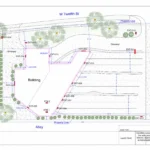
Different projects require different levels of detail in your site plan. A basic plan may include only the lot outline and main building. Advanced plans include driveways, patios, walkways, fences, trees, accessory structures, and measurements. Detailed plans include landscaping, easements, contours, drainage details, material notes, and larger structural information. Understanding which level your project requires helps you avoid delays. If you are unsure which plan you need, our drafting team can guide you through the options.
How to Draw a Simple Site Plan for Your Home Project
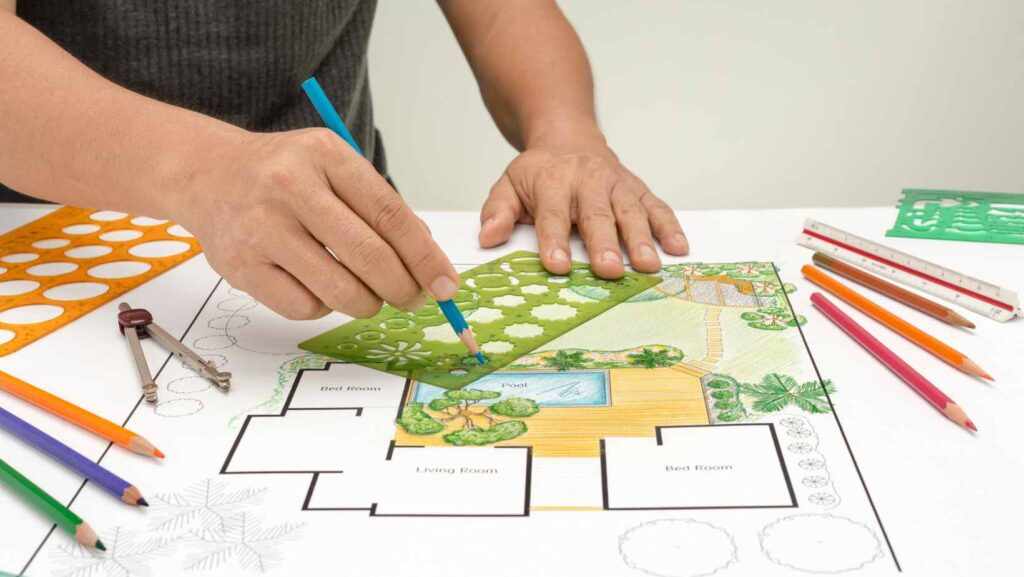
Homeowners can draw their own site plan for simple projects if their city accepts homeowner drawn plans. Choose the correct scale such as one inch equals ten feet or one inch equals twenty feet. Draw the outline of your property, show the main building, add accessory structures, and include the exact measurements of your new project. Label distances clearly and include the north arrow, property address, and project title. While this method works for smaller projects, most homeowners choose a professionally drafted plan because accuracy is critical during permit review.
How Detailed the Site Plan Should Be for USA Permit Approval
The required level of detail depends on the project type. A fence permit needs the fence length, height, and setback distance. A shed or deck needs the shape, size, and placement. Larger projects such as garages or additions require more detailed measurements, structure dimensions, and clear spacing information. Building departments review site plans to verify zoning rules such as setbacks, lot coverage, height limits, and distance requirements. The clearer these details appear on your plan, the faster you will receive approval.
How to Use a Site Plan for HOA Approval
HOA reviews focus on appearance, design consistency, and neighborhood guidelines. A site plan helps the HOA understand the location and size of your proposed project. It shows how the new work fits with the rest of your property and surrounding homes. Some HOAs request material samples or color choices in addition to the site plan. A clear drawing helps the committee make a decision quickly and prevents misunderstandings about your project. If you need guidance on HOA requirements, you can contact us.
Submitting Your Site Plan to the Building Department
Once your site plan is ready, you can submit it to your city or county. Many jurisdictions allow digital submission through online permit portals. Before submitting, review the city checklist to ensure all required details appear on your plan. If the reviewer requests changes, you can revise the plan and resubmit it. Revisions are a normal part of permit review, and most homeowners complete at least one revision before receiving approval.
Common Mistakes to Avoid When Creating Your Site Plan
Delays often happen when site plans are missing important information. Common mistakes include leaving out the distance from the new structure to property lines, not showing existing structures, using the wrong scale, or forgetting to include the north arrow. Some homeowners also fail to label measurements clearly or misunderstand setback rules. Avoiding these mistakes helps your plan move through the review process without unnecessary delays. For more guidance, you can read customer experiences at reviews.
Conclusion
Creating a site plan for your property in the USA becomes much easier when you understand the basic steps and requirements. A clear and correctly scaled site plan allows the building department or HOA to evaluate your project quickly. Whether you are planning a fence, deck, shed, driveway, or full home addition, everything begins with a complete and accurate site plan. When the layout is presented clearly, the entire approval process becomes smoother and you can move forward confidently.
Why Choose SitePlans Online
We prepare permit ready site plans that follow USA building department and HOA requirements. Our team uses GIS mapping, property data, and accurate scaling to create clear and reliable site plan for permit submission. Our turnaround is fast and we provide revisions when needed. You simply share your address and project details and we prepare everything according to the checklist of your city or HOA. You can learn more about us or contact our support team to get started.
Frequently Asked Questions
Can I create my own site plan for a permit.
Yes, you can create your own site plan if your city allows homeowner drawn plans. The drawing must include correct measurements, scale, and layout. For detailed projects, a professionally drafted plan is recommended.
Do I need a survey to create a site plan.
A survey is not always required. Many cities accept non certified site plans created with property data, GIS mapping, and satellite imagery. A survey is usually required only for large additions or boundary related issues.
What information is needed to start a site plan.
You need your property address, lot measurements if available, the location of existing structures, and the exact details of your new project including size, shape, and placement.
How long does it take to get a site plan.
Most online drafting services provide permit ready site plans within twenty four to forty eight hours. Faster delivery may be available if your project is urgent.
What format will I receive the site plan in.
Most plans are delivered as a PDF. Some providers offer additional formats like DWG if needed for designers or contractors.
Will the city or HOA accept an online site plan.
Yes, cities and HOAs accept online drafted site plans when the drawings include accurate scaling and required details. Digital submissions are now common across the USA.
What is the best way to avoid permit delays.
The best way to avoid delays is to include all required details such as measurements, setbacks, scale, north arrow, and existing structures. Clear and complete plans move through review faster.Can I revise the site plan after submission.
Yes, revisions can be made if your city or HOA requests changes. Many homeowners complete at least one revision before receiving final approval