When you are preparing to build, remodel, or apply for a permit in the United States, two terms you will often see are plot plan and site plan. They sound similar, but they are not the same. Each serves a different purpose in permit drawings, and submitting the wrong one can cause delays or rejections from your building department. Understanding the difference helps you avoid confusion and makes it easier to choose the correct service when ordering online through trusted drafting providers such as SitePlans Online USA.
A clear understanding of these differences saves time, prevents unnecessary rework, and helps ensure your documents are accepted on the first submission. This guide explains what a plot plan is, what a site plan is, when each is needed, and how to order the right one online. You can also explore more helpful topics inside the blogs section to improve your understanding of permit-ready drawings.
1. What Is a Plot Plan
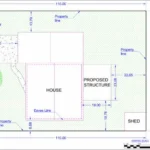
A plot plan is a basic drawing that shows the existing conditions of your property. It typically includes the boundary lines, lot dimensions, the footprint of your house or garage, and setback distances. Some cities request extra features such as fences, sidewalks, or trees depending on their rules. A plot plan is mainly used for simple verification tasks, such as refinancing, selling a home, or documenting existing conditions for minor improvements.
If you want more detail on ordering this type of plan, you can explore related articles in the blogs section of SitePlans Online or review the FAQs which explain when a plot plan is appropriate.
2. What Is a Site Plan
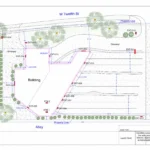
A site plan is a more advanced and detailed drawing. It includes everything found on a plot plan but also adds all proposed changes, utilities, drainage flows, walkways, landscaping, and any construction-related updates. Cities use the site plan to verify compliance with zoning, setbacks, drainage, utilities, and environmental requirements. A site plan is required for most construction permits in the USA. You can browse available options for site plans at packages to see which level matches your project.
If your project also requires floor plans or additional documents, you can learn more through related posts inside the blogs section.
3. The Main Difference Between a Plot Plan and a Site Plan
The primary difference between the two drawings is the level of detail and the purpose they serve. A plot plan shows what already exists. A site plan shows both what exists and what you intend to build. A plot plan is used for basic documentation, while a site plan is used for permit approval. When homeowners submit a plot plan where a site plan is needed, cities often reject the submission and ask for a complete redesign. To avoid this, it helps to confirm your requirements on the FAQs page before ordering.
4. When You Need a Plot Plan
A plot plan is most useful when your project does not change the layout of your land. Homeowners use plot plans for selling a property, refinancing, basic property research, or small projects that do not affect zoning rules. It is primarily used for documenting what already exists. If your project involves changes to structures, utilities, parking areas, or drainage, you will need a full site plan instead. If unsure, you can discuss your project with the support team through contact us.
5. When You Need a Site Plan
A site plan is required for most residential construction permits in the USA. Whether you are building an addition, installing a pool, modifying a driveway, changing your home footprint, or adding a new structure, the site plan is the document the city will request. Without one, your permit cannot move forward. You can explore your available options for site plans at drafting services which explains the different plan levels and what each includes.
6. Shared Information Between the Two
Both plot plans and site plans show property boundaries, lot dimensions, basic structure footprints, orientation markers, and scale. The difference lies in how much more detail appears on a site plan. A site plan adds proposed work, utility routes, drainage arrows, and zoning notes. These added layers are why site plans are used for permit approval and plot plans are used mainly for verification. The blogs include deeper explanations of required elements.
7. Who Prepares These Plans
In the past, homeowners needed surveyors or architects. Today, many U.S. cities accept digitally drafted drawings as long as they are accurate and drawn to scale. Companies such as SitePlans Online use GIS mapping, satellite imagery, and parcel data to prepare both plot plans and site plans nationwide without requiring an on-site visit. After placing an order, your completed file is delivered digitally through your account and can be downloaded any time. Homeowners considering different services often check public reviews, which you can see.
8. Common Homeowner Mistakes
Many homeowners mistakenly submit a plot plan when the city requires a full site plan. Others leave out the scale, the north arrow, or the measurements of proposed work. Low-resolution uploads and incomplete utility information also cause delays. You can avoid these issues by ordering the correct service from the start and reviewing helpful preparation tips inside the FAQs and the blogs section.
9. Cost Comparison Between Plot Plans and Site Plans
Plot plans generally cost less because they take less time and include fewer details. Site plans require more drafting work due to zoning notes, drainage, utility mapping, and proposed structures. You can see full pricing and available plan types on the site plan packages page. Compared with competitors such as ProSitePlans, MySitePlan, and 24HPlans, SitePlans Online maintains transparent pricing with detailed package descriptions.
10. Turnaround Time for Each Plan
Plot plans typically take less time to complete since they require fewer layers of information. Site plans need more time because of the additional detail required for permit drawings. Services at SitePlans Online provide fast turnaround times similar to competitors, often within a short window depending on your project. For urgent projects, you can reach out directly through at contact us.
11. Why Many Homeowners Choose Online Drafting Services
Online drafting eliminates travel, reduces costs, and gives homeowners digital files ready for submission. With SitePlans Online, every plan is drafted according to common U.S. permitting standards and reviewed for zoning consistency. Homeowners appreciate the simplicity of online ordering and the ability to receive permit-ready plans quickly. Real customer experiences are available at reviews if you would like to see how others have used the service.
12. Choosing Between a Plot Plan and a Site Plan
If your project includes new construction, utility changes, or elevation modifications, you need a site plan. If you only need basic verification of your lot layout, a plot plan may be enough. When you are uncertain, the drafting services page at explains how each plan type is used and helps you select the correct option.
13. Real-World Example
A homeowner in Florida tried to get a permit for a new pool and submitted a basic plot plan. The city rejected it because it lacked drainage, utility clearances, and the proposed pool footprint. After ordering a site plan from a professional online drafting service, the updated plan included all required elements and was approved within two business days. Examples like this demonstrate how important it is to choose the right type of plan. You can find similar insights in the blogs area.
14. Benefits of Getting the Right Plan from a Professional
Professionally prepared plans match your city’s checklist and reduce the chance of rejection. A professional drafter understands zoning, setbacks, drainage rules, and permit requirements. SitePlans Online provides accurate, clear, and structured drawings with revision support when needed. You can learn more about the company on the about page and contact the team directly for questions .
15. How to Order the Right Plan Online
Ordering the correct plan is simple. Visit the site plan packages page or the drafting services page and choose the type of drawing your project requires. Provide your address and details, and the team will prepare your plot plan or site plan based on the information your city expects. Completed files are delivered digitally and can be downloaded anytime. If you need help deciding, the FAQs and the contact page offer quick support.
Conclusion
Understanding the difference between a plot plan and a site plan is a key part of preparing for permits in the USA. A plot plan records existing conditions, while a site plan includes both existing and proposed work. Choosing the right document helps your project move smoothly from planning to approval. With online drafting services like SitePlans Online, homeowners can receive accurate, city-ready drawings quickly and affordably. Explore your options at site plans online USA, to find the right plan for your next project.