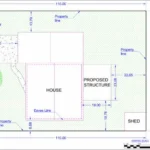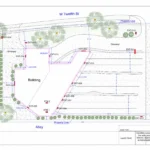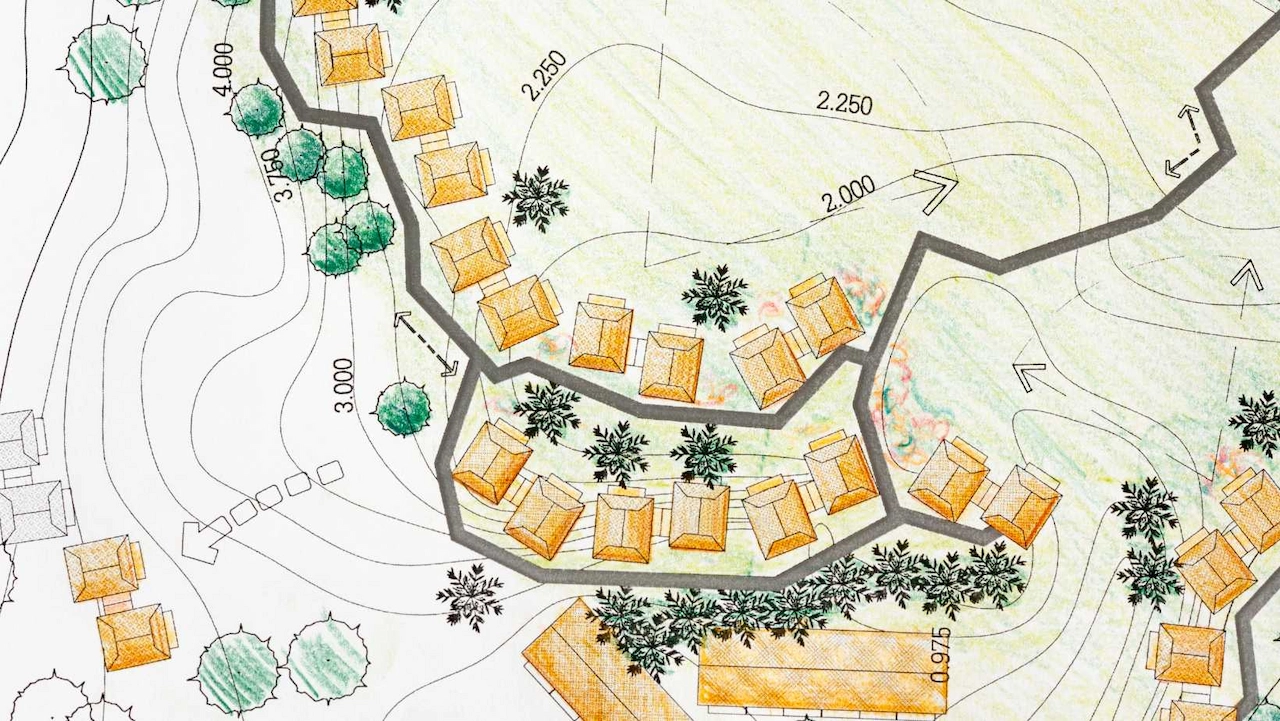
When planning to build, remodel, or apply for a construction permit in the United States, the first document your building department will request is a site plan drawing. Many property owners face confusion because the term sounds technical, but understanding it makes the entire permitting process much easier. A site plan drawing is a scaled illustration showing your entire property layout, including buildings, driveways, setbacks, utilities, grading, and proposed improvements. It serves as proof that your project meets zoning codes, safety rules, and construction requirements in the USA.
This guide explains what a site plan is, what it includes, why it is required, and how you can get a permit-ready site plan quickly using a professional online site plan service. The goal is to help homeowners and contractors avoid permit delays, rejections, and unnecessary costs.
To explore more guides like this, you can also read the educational articles available in our Blogs section.
1. What Is a Site Plan Drawing?
A site plan drawing is a top-down, scaled representation of your property showing both existing and proposed structures. It illustrates where buildings, fences, driveways, walkways, or utilities sit within the boundaries of your land. City planners rely on this drawing to check setbacks, zoning rules, property coverage limits, drainage flow, and access to utilities.
In simple words, a permit site plan demonstrates that your upcoming work follows every required rule before construction begins. For additional clarity on drafting standards or service levels, you may review our Site Plan Packages.
2. What Does a Site Plan Include?
A complete site plan for building permit includes several key components that help reviewers evaluate compliance. It always shows property boundaries, building footprints, proposed structures, utility lines, parking and driveway layout, drainage direction, grading, setbacks, easements, and vegetation placement. It must also contain a visible north arrow, scale, and title block so the reviewer can interpret the dimensions correctly.
Cities use these details to ensure the project fits safely within your property and meets zoning laws. When any essential detail is missing, permit delays occur which is why using a professional drafting service is strongly recommended.
3. Why Site Plans Are Required in the USA
A site plan drawing is required across the USA because it verifies zoning compliance, construction safety, and environmental impact. Building departments use it to confirm that structures are properly placed within setbacks, drainage flows away from buildings, utilities are accessible, and public easements remain unobstructed.
Without an approved site plan, no structural work can legally begin. This document becomes part of your permanent permit record and is essential for additions, remodels, new builds, accessory structures, and major landscape changes. If you need help understanding the review steps, our FAQs page provides quick answers.
4. Residential vs. Commercial Site Plans
Residential site plans focus on simpler layouts such as homes, garages, decks, sheds, fences, and driveways. They rarely require engineering certification unless demanded by stricter jurisdictions. In contrast, commercial site plans include more detailed elements like fire lanes, parking calculations, utility connections, ADA accessibility, and complex drainage requirements.
Whether you need a residential site plan or commercial site plan, the purpose remains the same: to guarantee safe, compliant development under local USA building codes.
5. Who Prepares a Site Plan Drawing?
Traditionally, licensed surveyors or architects handled site plans. However, most U.S. cities now accept non-certified online site plan services as long as the drawings are accurate, scaled, and complete. Competitors such as MySitePlan, GetASitePlan, and ProSitePlans have popularized online drafting — but SitePlans.online offers a more streamlined, transparent, and customer-centered experience.
Using satellite imagery, parcel maps, and GIS data, we prepare permit-ready plans without needing an on-site visit. If you wish to learn more about our drafting process, visit our Drafting Services page.
6. How to Get a Site Plan Online
Ordering a site plan drawing online is simple. Provide your property address, project description, and any reference images. Our team drafts your plan to the correct scale using GIS mapping and verified property data. You receive a downloadable PDF ready for submission within 24–48 hours. You can follow up or contact us anytime through our Contact Us page.
This method eliminates survey costs and long waiting times associated with traditional drafting.
7. Common Reasons Cities Reject Site Plans
Cities reject site plans for several avoidable reasons. These include missing setbacks, unclear measurements, incorrect scale, missing utility lines, blurry images, or omitted structures. Rejections also happen when proposed work crosses property boundaries or interferes with easements.
Since professional companies like ours know local requirements, every permit site plan is checked against city standards before delivery. You can browse verified customer feedback on our Reviews page.
8. Cost of a Site Plan in the USA
The price depends on complexity and property size. Basic residential plans usually cost between $125 and $250. Detailed permit-ready plans range from $250 to $400. Commercial or engineered site plans may require higher pricing due to added zoning layers and drainage calculations.
At SitePlans.online, all plans come with transparent pricing and a satisfaction guarantee, ensuring you receive a plan accepted by your local permit office.
9. How Long It Takes to Receive Your Site Plan
Most U.S. homeowners receive their completed site plan drawing within 24–48 hours after order confirmation. Larger commercial projects may take slightly longer. Digital delivery makes the process far faster than traditional survey methods that can take weeks.
10. What Happens After You Submit Your Site Plan
After submission, a city reviewer checks zoning compliance, structure placement, utility access, and drainage systems. If changes are required, you can request revisions easily through our team. When the site plan is approved, your project moves forward and your permit is issued.
11. Understanding Scaled Site Plans
Scaling is a critical requirement in all site plan drawings. A scale such as 1 inch = 20 feet ensures accurate interpretation of distances and dimensions. Proper scaling prevents miscalculations that could delay permit approval. Our drafting system uses verified geographic measurements to produce accurate and reliable scaling.
12. Plot Plan vs. Site Plan
A plot plan shows only existing structures and boundaries. It is useful for basic verification or small reference projects. A site plan, however, includes proposed changes, drainage, grading, and utility details making it the required document for building and construction permits. For more guidance, check our other educational topics within the Blogs library.
13. Why Choose a Professional Site Plan Service
A professional service ensures accuracy, zoning compliance, and faster approvals. Professional site plans include clean layouts, correct scaling, detailed utilities, and accurate measurements. With SitePlans.online, you also receive secure document storage, quick revisions, and nationwide acceptance across U.S. cities.
Conclusion
A site plan drawing is more than a requirement; it is the foundation of safe and compliant construction. Whether you’re adding a deck, constructing a new structure, remodeling your home, or planning a commercial upgrade, a clear and accurate site plan is essential for permit approval in the USA. With SitePlans.online, you can get a professionally drafted, permit-ready plan without leaving your home — fast, affordable, accurate, and accepted nationwide.
FAQs
1. Can I draw my own site plan for a permit?
You can create one manually, but most self-drawn plans lack the detail and accuracy required for approval. A professional permit site plan helps prevent delays.
2. How much does a site plan drawing cost in the USA?
Most residential plans cost between $125 and $400 depending on size and detail. Commercial plans may require higher detail and pricing.
3. Is a certified plan required for residential permits?
Most residential permits do not need certified or stamped plans. Non-certified professional plans created by online services are widely accepted.
4. How long does approval take after submitting a site plan?
Cities usually take one to two weeks to review plans. Clear, accurate plans speed up the approval process.
5. Do you offer revisions if my city requests changes?
Yes. Revisions are handled promptly to ensure your site plan matches your city reviewer’s requests.