A successful construction or renovation project in the United States always begins long before a hammer hits a nail. The first and most crucial document every homeowner, contractor, and developer must prepare is the site plan for permits. This drawing is far more than a simple sketch it is a legally recognized, scaled representation of your property that shows how your project meets zoning laws, safety rules, and environmental regulations.
For anyone planning a deck, shed, driveway, home addition, garage, or even a commercial project, submitting an accurate and compliant permit site plan is the only way to avoid costly delays and immediate rejections from city or county reviewers. At Pro Site Plans, we specialize in delivering permit-ready site plans that meet local requirements across all 50 states. Unlike competitors such as MySitePlan, GetASitePlan, and 24hPlans, our approach includes unlimited revisions, fast turnaround, and detailed zoning compliance built into every plan.
If you’re just starting your project, we recommend reviewing our Site Plan Packages and our full Drafting Services to choose the best option for your permitting needs.
The Critical Role of Site Plans in the U.S. Permitting Process
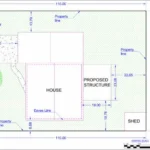
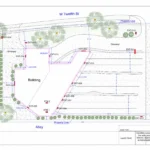
A site plan drawing provides building departments with a scaled, verifiable view of your property. It shows how your project interacts with boundaries, easements, utilities, and natural terrain. Reviewers rely on this document to determine whether your project complies with zoning regulations, environmental codes, and building safety laws.
For property owners, a professionally drafted site plan reduces uncertainty, ensures compliance, and significantly increases the chances of first-round approval. If you’re new to site plans, you can explore additional homeowner resources in our Blog.
Zoning, Setbacks, and Legal Compliance
The central purpose of any site plan for building permit approval is to demonstrate zoning compliance. Whether you’re building an addition, replacing a deck, or installing a shed or pool, city officials must verify that:
- All structures meet minimum setback distances
- The project does not violate easements
- Lot coverage limits and density regulations are respected
- Utilities such as water, sewer, and electrical lines remain safely accessible
- Impervious surfaces comply with stormwater rules
Incorrect or missing details in these areas are the #1 cause of rejections. To help homeowners avoid these issues, we recommend reviewing Top Site Plan Rejection Mistakes inside our resource center on the FAQs page.
Why Site Plans Carry Legal and Financial Weight
A city-approved site plan becomes part of your permanent property file. It protects you against:
- Neighbor disputes
- HOA enforcement actions
- Incorrect property adjustments
- Liability related to improperly placed structures
Financially, using a professional service prevents costly delays, redesigns, or re-inspections. Many customers come to us after rejected plans from low-detail or AI-generated providers a rejection that delays construction by weeks. Choosing a detailed, accurate plan upfront eliminates this risk. To see real customer experiences, visit our Reviews.
Common Project Types That Require a Permit Site Plan
Site plans are required for nearly all exterior residential and commercial projects. Here’s how they apply across common construction categories:
Home Additions & Major Construction
These projects require detailed topography, grading, utility mapping, and setback verification.
Garage Permits
City reviewers must confirm fire separation distances, accessory structure rules, and driveway access.
Decks & Porches
Decks are often rejected due to improper setback measurements or unclear access paths.
Sheds & Accessory Structures
These are the most common DIY mistakes; sheds are often placed into easements or too close to property lines.
Pools & Spas
Pool permits require strict mapping of equipment pads, fencing, drainage, and impervious surface calculations.
Fences
Fence placement must be shown precisely on the property boundaries to avoid legal conflicts.
Driveways
Driveway plans must include apron, slope, and runoff information.
If your project involves any of these categories, begin by requesting a custom site plan quote through our Contact Page.
How Professional Site Plans Prevent Permit Rejections
Many homeowners attempt to submit hand-drawn sketches, outdated surveys, or generic online templates. These rarely meet modern requirements and are rejected because:
- The scale is missing or incorrect
- Utility lines are not shown
- Easements are omitted
- Setbacks do not match zoning data
- Drainage, grading, and topography are missing
- Property dimensions are inaccurate
Professional plan drafting eliminates these risks by using current GIS data, parcel maps, and zoning rules. Competitors like MySitePlan and 24hPlans offer similar approaches, but Pro Site Plans provides more detailed drafting and zoning integration without requiring expensive land surveys.
For complete clarity on what’s included, visit our Drafting Services page.
Using a Site Plan for HOA Approval
Many communities enforce design rules stricter than city requirements. A professional site plan simplifies HOA approval by clearly showing:
- Appearance changes
- Landscaping impact
- Boundary relationships
- Structural location and alignment
HOAs often reject drawings that lack clarity making a professional plan essential.
How to Get a Permit Site Plan Online (Fast Process)
Ordering a professional site plan drawing takes just a few simple steps:
- Visit the Site Plan Packages page.
- Choose your package based on project size (Standard, Professional, or Elite).
- Submit your property address and project details.
- Receive your draft within 24–48 hours.
- Download from your dashboard and submit to your city.
This streamlined process is far faster than hiring a surveyor or architect which is why more homeowners now choose online site plan services over traditional methods.
Why Pro Site Plans Leads the Industry
Homeowners compare our service with competitors like MySitePlan, GetASitePlan, and ProSitePlans.com, but here’s what sets us apart:
- Nationwide acceptance
- Unlimited free revisions
- 24–48 hour turnaround
- Affordable pricing with transparent packages
- Detailed mapping with zoning awareness
- Money-back guarantee
Our mission is simple: provide the most accurate, detailed, and approval-ready site plans in the USA.
Frequently Asked Questions
1. What is included in a permit site plan?
A site plan includes property boundaries, structures, setbacks, easements, utilities, drainage, slope details, and all proposed work drafted to scale.
2. Do I need a site plan for small projects like sheds or decks?
Yes. Most U.S. cities require a scaled site plan even for small accessory structures.
3. How long does it take to receive my plan?
Most plans are completed within 24 to 48 hours after placing your order.
4. Are online site plans accepted by all cities?
Yes. As long as the drawing is accurate, scaled, and complete, cities accept online-drafted plans nationwide.
5. What if the city requests revisions?
We provide unlimited revisions at no cost until your plan is approved.
6. Do you support commercial site plans?
Yes. We draft site plans for restaurants, offices, retail, warehouses, and more.
7. How can I compare pricing and services?
Visit the Site Plan Packages page for clear pricing.