Applying for a building permit can feel overwhelming, especially for homeowners starting their first construction project. One of the most important documents you will need is a residential site plan. Without it, your permit application is unlikely to move forward.
Understanding residential site plan requirements for permits in the USA helps you avoid costly delays and repeated submissions. Building departments rely on these drawings to verify that your project follows zoning regulations, respects property boundaries, and maintains safe distances from neighboring structures.
Whether you are building a new home, adding a garage, constructing a deck, or installing a pool, knowing exactly what must appear on a site plan for permit approval can make the process much smoother.
What Is a Residential Site Plan?
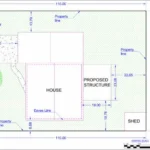
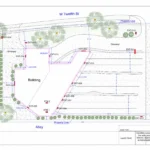
A residential site plan is a scaled drawing that shows how a house and other structures sit on a piece of land. It provides a clear visual representation of both existing features and proposed changes.
Reviewers use this document to determine whether your project complies with local laws. A permit ready site plan removes confusion and allows officials to evaluate your application efficiently.
Most residential site plans include the home footprint, accessory structures, driveways, walkways, and utility connections. Accurate measurements are essential because even small errors can lead to rejection.
Why Building Departments Require Site Plans
Building departments enforce site plan requirements to protect homeowners, neighbors, and communities. Proper planning ensures that construction does not interfere with infrastructure, emergency access, drainage systems, or property lines.
A building permit site plan helps officials confirm that your project:
Follows zoning regulations
Maintains required setbacks
Avoids easements
Does not overcrowd the lot
Supports safe construction practices
Meeting these requirements early prevents legal issues and reduces the chances of having to modify your design later.
Core Elements Required on a Residential Site Plan
While requirements vary slightly by jurisdiction, most municipalities expect several standard components.
Property Boundaries and Lot Dimensions
Clearly marked boundaries show the exact size and shape of your property. This helps reviewers confirm that new structures remain within legal limits.
Setback Requirements
Setbacks define the minimum distance between structures and property lines. Including these measurements is critical for approval.
Existing Structures
Your site plan should identify current buildings such as the primary residence, detached garages, sheds, and fences.
Proposed Construction
Show the location and dimensions of any new structure. Labeling these elements helps officials quickly understand your project scope.
Driveway and Parking Areas
Access points must be visible to ensure safe vehicle movement and emergency entry.
Utility Locations
Water lines, sewer connections, gas lines, and electrical routes often need to be marked to prevent conflicts during construction.
Including these details creates a strong residential site plan that supports faster permit review.
Understanding Zoning Regulations and Local Variations
Zoning regulations differ across cities and counties, which means site plan requirements are not always identical. Some areas enforce stricter height limits, lot coverage rules, or drainage considerations.
Before submitting your plan, it is wise to check local guidelines or work with site plan services USA that understand regional codes.
Ignoring zoning requirements is one of the most common reasons permit applications are delayed. Taking time to verify these rules can save weeks in the approval process.
How to Prepare a Residential Site Plan
Homeowners often wonder about the best way to create a home site plan. While sketching your property might seem simple, permit drawings require precision and professional formatting.

You typically have two options.
Create the plan manually if your project is small and local authorities allow basic drawings.
Hire expert site plan drafting services to produce an accurate digital plan that aligns with municipal standards.
Professional services use reliable mapping data and drafting tools to reduce errors. This approach is especially helpful for complex projects or properties with unique layouts.
Common Mistakes That Lead to Permit Rejection
Even well planned projects can face delays if the site plan is incomplete or inaccurate.
One frequent mistake is submitting outdated property information. Another is failing to show setback distances clearly. Missing utility details can also raise concerns during review.
Some homeowners underestimate the importance of scale, which makes it difficult for officials to interpret the drawing.
Choosing affordable residential site plans from experienced providers can help you avoid these issues while maintaining quality.
Benefits of Using Professional Site Plan Services
Working with professionals can simplify the entire permit process. Expert site plan drafting teams understand what building departments expect and structure drawings accordingly.
Advantages often include faster turnaround times, improved accuracy, and revision support if the municipality requests changes.
Budget friendly site plan for permit services can still deliver excellent results when backed by skilled drafters and modern technology.
For many homeowners, this investment saves both time and frustration.
How Accurate Site Plans Speed Up Permit Approval
Accuracy plays a major role in how quickly your permit is approved. When reviewers receive a clear and detailed residential site plan, they spend less time requesting corrections.
Fast permit ready site plans reduce back and forth communication and help your project move into the construction phase sooner.
This efficiency is especially valuable during peak building seasons when departments handle large volumes of applications.
When You Might Need Additional Drawings
Certain projects require more than a standard site plan. For example, homes on sloped lots may need grading information, while larger builds might require drainage layouts.
If your property includes environmentally sensitive areas or easements, additional documentation may also be necessary.
Consulting expert residential site plan services ensures you understand these requirements before submission.
Conclusion
Understanding residential site plan requirements for permits in the USA is essential for any homeowner planning construction. A detailed and accurate site plan for permit approval helps building departments evaluate your project quickly while ensuring compliance with zoning regulations.
By preparing the right documents and avoiding common mistakes, you can reduce delays and begin your project with confidence.
Why Choose Us
We specialize in creating permit ready residential site plans that meet local requirements across the USA. Our drafting experts focus on accuracy, clarity, and fast delivery so your application process remains smooth.
Clients trust us for transparent pricing, responsive support, and dependable results. Whether your project is simple or complex, we are committed to helping you secure approval without unnecessary stress.
FAQs
What is included in a residential site plan?
It typically shows property boundaries, structures, setbacks, driveways, utilities, and proposed construction.
Do all home projects require a site plan?
Most structural changes require one, but requirements vary by municipality.
Can I draw my own site plan?
Some jurisdictions allow it for minor projects, but professional plans improve approval chances.
How long does it take to create a site plan?
Expert services often deliver fast permit ready site plans within a few days.
Are professional site plans worth it?
Yes. They reduce errors, support faster approvals, and help prevent costly revisions.