Conditional Use Permit (CUP): Complete Guide for Homeowners and Developers
Navigating zoning and land-use regulations can be confusing for homeowners, business owners, and developers alike. In many cases, property owners are restricted by local zoning laws that dictate what can—and cannot—be done with a piece of land. However, certain uses may still be allowed through a Conditional Use Permit (CUP).
A conditional use permit CUP is not just a formality—it is a legally binding approval issued by a local government that allows a property to be used in a way not normally permitted under existing zoning rules. By applying tailored conditions, municipalities ensure that these uses remain compatible with surrounding properties, public safety, and community standards.
Whether you are planning a home-based business, developing a commercial property, or modifying an existing residential or commercial space, understanding CUP permit requirements, the approval process, and documentation needs is essential. In this guide, we cover everything homeowners and developers need to know about Conditional Use Permits, including how Site Plans Online USA helps streamline CUP applications with permit-ready site plans.
Introduction: Understanding Conditional Use Permits
A Conditional Use Permit (CUP) is an official zoning approval granted by a local government that allows a property to be used for a purpose not normally permitted under the zoning ordinance. While zoning laws strictly regulate land use, a CUP provides flexibility—under specific, enforceable conditions.
In practice, a CUP zoning permit functions as a legal agreement between the property owner and the municipality. Failure to comply with CUP conditions can result in fines, revocation, or enforcement action.
CUPs are commonly required for:
- Commercial ventures in residential zones
- Large ADUs or multi-family developments
- Daycare centers, schools, and religious institutions
- Community centers, hospitals, and recreational facilities
- Restaurants or venues with outdoor entertainment
Why Conditional Use Permits Are Important
Conditional Use Permits balance private development goals with community interests. They are essential because they:
- Maintain neighborhood harmony by limiting negative impacts
- Mitigate traffic, noise, and environmental concerns
- Allow zoning flexibility without permanently changing zoning maps
- Support responsible development
Example: A coffee shop operating in a residential area may need a CUP permit with conditions on hours, parking, and customer capacity.
CUP Application Process: Step-by-Step
Step 1: Preliminary Consultation
Contact your local zoning administrator or planning department to confirm whether your project requires a conditional use permit application and what documentation is needed.
Tip: A professionally prepared site plan for a conditional use permit significantly increases approval chances.
Step 2: Prepare Documentation
Most CUP applications require:
- Project description
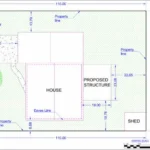
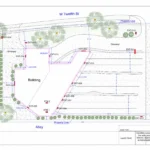
- Site plan (layout, parking, landscaping, setbacks)
- Supporting studies (traffic, noise, or environmental)
- Application fees ($100–$1,000+ depending on jurisdiction)
Step 3: Submission
Submit your complete CUP zoning permit application before the deadline with correct parcel and zoning references.
Step 4: Public Hearing
Applicants present their proposal to a zoning board or planning commission. Public feedback is considered during this stage.
Step 5: Decision
Authorities may:
- Approve the CUP
- Approve with conditions (most common)
- Deny the CUP
Step 6: Appeal or Amendment
Denied applications can often be appealed or revised to meet CUP approval criteria.
Typical Conditional Use Permit Conditions
Conditions are designed to minimize disruption. Common examples include:
- Noise Restrictions: Limit hours of operation or noise levels.
- Parking Requirements: Ensure adequate on-site or nearby parking.
- Traffic Mitigation: Manage ingress and egress points, prevent congestion.
- Building Design: Restrict height, signage, or architectural elements to blend with surroundings.
- Environmental Protections: Preserve trees, prevent soil erosion, manage stormwater runoff.
- Safety Measures: Fire exits, lighting, or security for public spaces.
Example: A daycare center may need a fenced play area, limited operating hours, and staff training certification.
CUP vs. Zoning Variance: Know the Difference
| Feature | Conditional Use Permit (CUP) | Variance |
|---|---|---|
| Purpose | Allows non-conforming use conditionally | Provides relief from zoning due to hardship |
| Approval | Requires public hearing & compliance conditions | Requires demonstration of hardship |
| Conditions | Mandatory | Rare or optional |
| Duration | Ongoing, conditional | Permanent if granted |
CUP Costs and Considerations
- Application Fees: $100 – $1,000 depending on jurisdiction
- Professional Fees: Site plans, environmental reports, or legal assistance
- Compliance Costs: Construction adjustments, landscaping, parking improvements
Tip: Accurate, professional site plans reduce the risk of delays or denials. Site Plans Online USA specializes in creating detailed, code-compliant plans tailored for CUP applications.
CUP for Residential vs. Commercial Properties
Residential CUP
- Common for home-based businesses, ADUs, or community facilities
- Ensures use doesn’t disrupt neighborhood aesthetics or daily life
Commercial CUP
- Used for retail, offices, or industrial projects in zones where they are not standard
- Conditions often focus on traffic, noise, and environmental impact
How Site Plans Online USA Supports CUP Applications
Our services are designed to make the CUP application process seamless:
- Custom Drafting Services: Floor plans, elevations, and site layouts ready for submission.
- Code Compliance: We ensure your plans meet local zoning and setback requirements.
- Fast Turnaround: Most site plans are delivered within 24–48 hours.
- Expert Guidance: We provide tips for addressing typical CUP conditions and navigating public hearings.
FAQs About Conditional Use Permits
1. What is a Conditional Use Permit (CUP)?
A Conditional Use Permit (CUP) is a special approval issued by a local government that allows a property owner to use land in a way that is not normally permitted under the existing zoning regulations. The permit comes with specific conditions designed to minimize potential negative impacts on the surrounding community, such as traffic, noise, environmental concerns, or aesthetics. Essentially, it’s a legal agreement between the property owner and the municipality.
2. How do I know if I need a CUP?
You typically need a CUP if your planned use of a property is not allowed under standard zoning but is recognized as potentially acceptable with conditions. Examples include opening a commercial business in a residential zone, constructing a multi-family dwelling in a single-family zone, or establishing a daycare, school, or community center. Contact your local zoning office for a pre-application consultation to determine whether a CUP is required.
3. What is the difference between a CUP and a variance?
- CUP: Allows a specific use under certain conditions, even if it is not normally allowed in that zoning district.
- Variance: Provides relief from existing zoning regulations (e.g., setbacks, height, or lot size) due to hardship.
In short, a CUP governs what you can do with the property, while a variance governs how you build or modify the property.
4. How long does the CUP approval process take?
The process varies depending on jurisdiction and project complexity, but it generally takes 30 to 120 days. Factors influencing the timeline include:
- Completeness of your application
- Requirement for environmental or traffic studies
- Public hearing scheduling
- Community opposition or revisions requested by zoning authorities
5. Can a CUP be denied?
Yes. A CUP can be denied if the proposed use is incompatible with the neighborhood, violates zoning principles, or if the applicant fails to meet the necessary conditions. Denials are common when there is community opposition or when the proposed plan does not sufficiently address potential impacts.
6. What conditions are typically attached to a CUP?
Conditions are requirements imposed to reduce negative impacts. Common examples include:
- Noise limitations or restricted operating hours
- Adequate parking and traffic management
- Landscaping or buffering requirements
- Building height and design standards
- Environmental protections (stormwater management, tree preservation)
7. Are CUPs permanent?
CUPs can be permanent, temporary, or subject to periodic review depending on local regulations. Some permits must be renewed every few years, especially if the conditions relate to safety, environmental impact, or community concerns.
8. Can I appeal a denied CUP?
Yes. Most municipalities allow applicants to appeal a denial to a zoning board, planning commission, or city council. Successful appeals often involve submitting additional documentation, revised plans, or mitigation measures that address the reasons for denial.
9. Do I need professional site plans for a CUP?
Professional site plans are highly recommended and often required. They include detailed drawings showing property layout, building footprint, landscaping, parking, drainage, and other zoning requirements. Accurate site plans increase approval chances and prevent delays during public hearings.
10. What are the common fees associated with CUPs?
Fees vary by jurisdiction but typically include:
- Application fees: $100–$1,000 depending on location and complexity
- Professional fees: Site plans, surveys, engineering reports, or legal consultations
- Inspection or recording fees: For municipal documentation and compliance verification
11. Can CUPs affect property value?
Yes. CUPs can increase property value by allowing profitable uses not otherwise permitted. Conversely, if conditions are overly restrictive or create community opposition, they may temporarily limit property attractiveness to buyers.
12. Do CUPs transfer when I sell my property?
CUPs are generally attached to the property, not the owner, but local regulations may require notification or approval for transfer. Buyers should review the CUP conditions to understand ongoing obligations.
13. Are CUPs subject to renewal?
Some CUPs require periodic renewal, especially when they are temporary, seasonal, or tied to specific activities. Renewal typically involves demonstrating compliance with original conditions and may include additional inspections or public hearings.
14. Can CUP conditions be modified?
Yes, but modifications require municipal approval. Property owners may request adjustments to conditions to reflect changes in use, business operations, or community needs. Modifications often require public notice or a hearing.
15. Do residential projects require CUPs?
Yes, if the project is non-standard for the zone. Examples include:
- Multi-family dwellings in a single-family zone
- Home-based businesses with high traffic
- Short-term rental operations in residential neighborhoods
16. Do commercial projects require CUPs?
Often, yes. Examples include:
- Retail stores in residential zones
- Restaurants or bars with outdoor seating
- Industrial operations in mixed-use or residential-adjacent areas
17. Can I submit a CUP application online?
Many municipalities now accept online submissions, including PDFs of site plans, application forms, and supporting documentation. Check your local zoning office website for an online portal or digital application instructions.
18. What happens at a public hearing?
During a public hearing:
- The applicant presents the project and proposed conditions
- Community members can voice support or opposition
- Zoning officials may ask questions or request revisions
- A vote is taken to approve, approve with conditions, or deny the CUP
19. Can CUPs include environmental requirements?
Absolutely. CUPs often include environmental mitigation measures, such as:
- Stormwater management
- Preservation of trees or wetlands
- Noise and air quality restrictions
- Limits on emissions or chemical use
20. Can I combine a CUP with building permits?
Yes. CUP approval is often a prerequisite for building permits. Once a CUP is approved, you can submit construction plans that comply with the conditions and obtain necessary building permits.
21. What is a “conditional approval”?
A “conditional approval” means the CUP is approved but contingent on meeting specific requirements. The property owner must comply with these conditions before full authorization or operation can commence.
22. Can I operate my business while a CUP is pending?
Typically, no. Most municipalities require CUP approval before the use begins. Operating without a CUP may result in fines, revocation, or legal action.
23. Are CUPs subject to state regulations?
While CUPs are primarily governed by local zoning ordinances, they must also comply with state or federal laws, such as environmental regulations, building codes, or ADA compliance.
24. Can a CUP be revoked?
Yes. A CUP can be revoked if:
- The conditions are violated
- The use becomes unsafe or illegal
- The property changes ownership without notification
- Community complaints trigger a review
25. How does Site Plans Online USA help with CUP applications?
Site Plans Online USA offers full-service site planning and drafting solutions for CUP applications:
- Professionally prepared site plans compliant with local zoning
- Assistance with environmental and traffic studies
- Guidance through public hearings and document preparation
- Quick turnaround, typically within 24–48 hours, helping reduce delays and improve approval chances
Conclusion
A Conditional Use Permit is essential for property owners seeking flexibility while complying with zoning laws. By understanding the process, preparing detailed plans, and addressing community concerns, you can increase your chances of smooth approval.
At Site Plans Online USA, we provide fast, accurate, and fully compliant site plans to help homeowners, developers, and contractors navigate CUP applications efficiently. Our expertise ensures that your project aligns with local regulations, community standards, and best practices for successful approval.
Contact us today: drafting@siteplans.online
Learn More: Drafting Services