Planning a house addition or a remodel is exciting, but it can also feel confusing when permits are involved. Many homeowners are surprised when the city asks for a site plan before approving their project. If you are adding a room, expanding your home, converting a garage, or changing the layout of your property, a site plan is often required.
This guide explains how to get a site plan for a house addition or remodel in a clear and simple way. You do not need technical knowledge to understand this process. By the end of this article, you will know what a site plan is, why it is required, what information it must show, and how you can get one without delays.
What a Site Plan Means for a House Addition or Remodel
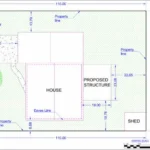
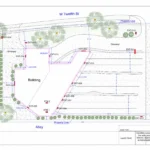
A site plan is a drawing that shows your entire property from a top view. It helps the city understand where your house sits on the lot and how the proposed addition or remodel will fit within local rules.
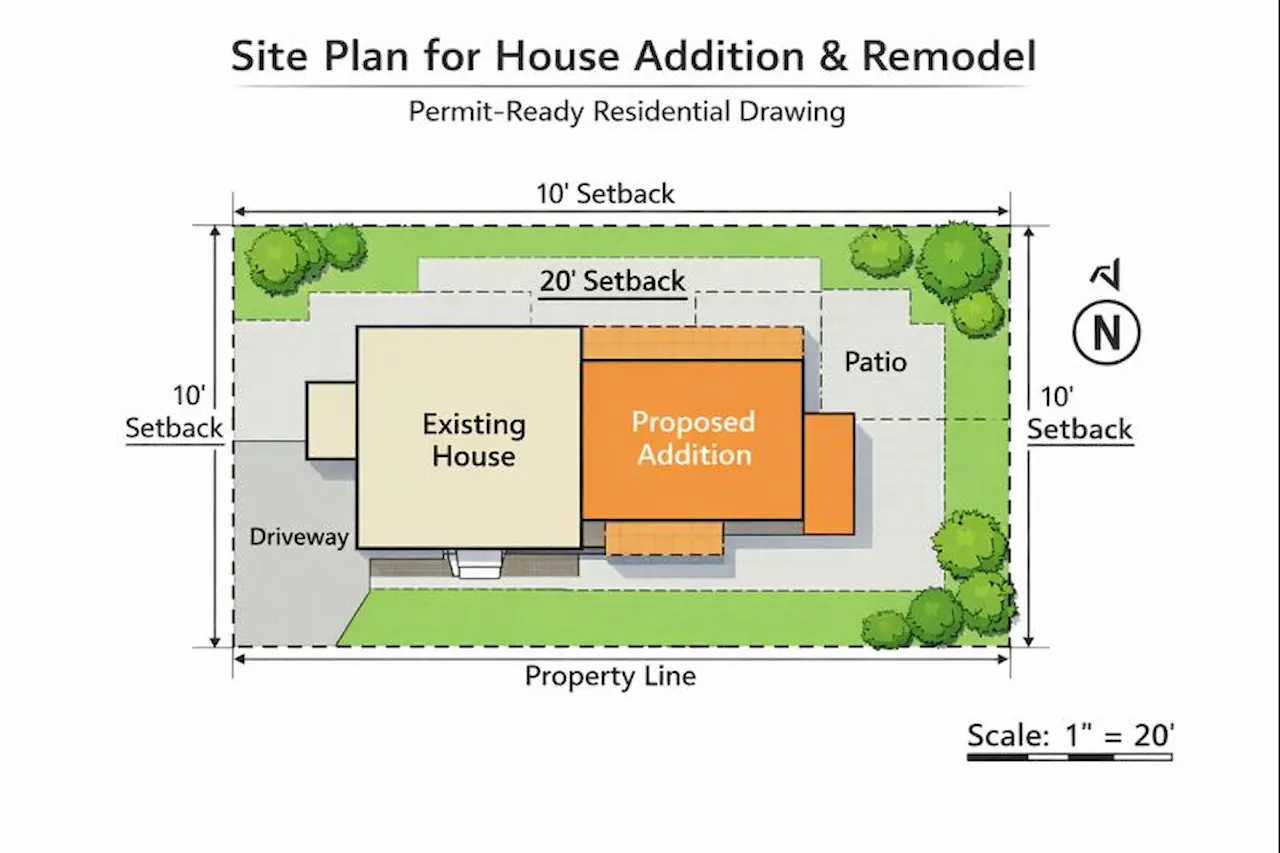
For a house addition or remodel, the site plan shows the existing structure and the new changes together. This allows the building department to review zoning rules, setbacks, and property coverage.
A site plan is not the same as a floor plan. Floor plans show the inside layout of rooms. A site plan shows how the building sits on the land.
Why Cities Require a Site Plan for Home Additions
Cities require a site plan to make sure your project follows zoning and safety rules. These rules are designed to protect homeowners, neighbors, and public utilities.
When reviewing a site plan, the city checks whether the addition stays within allowed setbacks. They also verify that the building does not exceed lot coverage limits. In some cases, they review access for emergency vehicles and utilities.
Without a proper site plan, the city cannot confirm these details. This is why permits are often delayed or rejected when the site plan is missing or incorrect.
Projects That Usually Require a Site Plan
Not every home improvement needs a site plan, but many additions and remodels do. You will usually need a site plan if your project changes the building footprint or affects the exterior of the property.
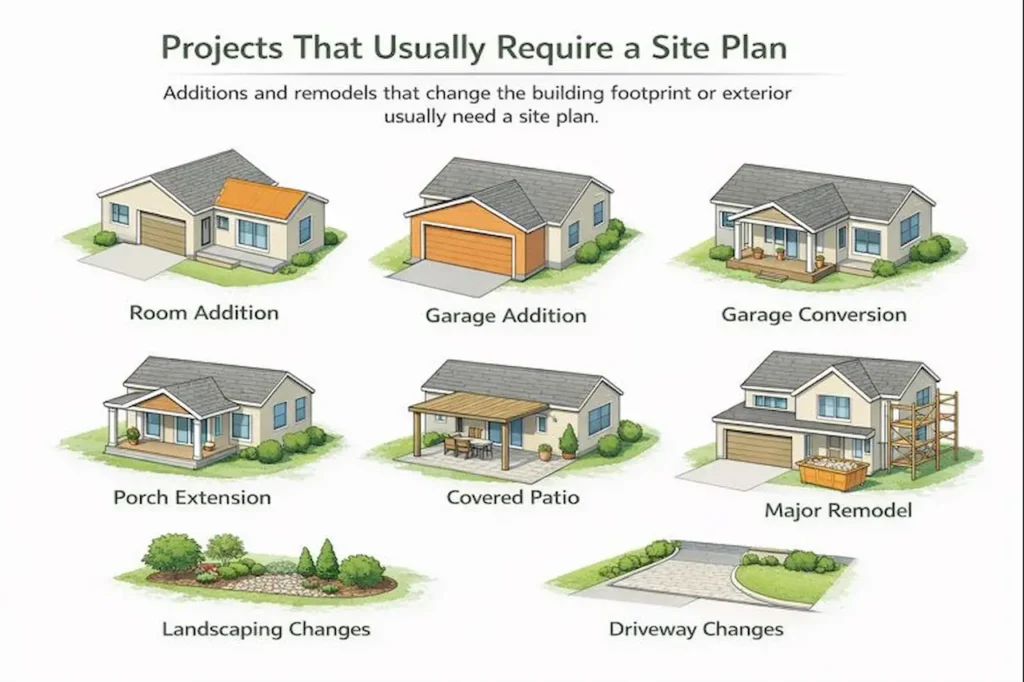
Common projects that require a site plan include room additions, garage additions, garage conversions, porch extensions, covered patios, and major remodels that expand the structure.
Even some landscaping or driveway changes may require a site plan if they affect zoning or drainage rules. When in doubt, it is safer to prepare a site plan early.
Information That Must Appear on a Permit Site Plan
A permit site plan must include specific details so the city can review it properly. Missing information is one of the most common reasons permits are delayed.
A standard site plan for a house addition or remodel includes property lines, lot dimensions, and the outline of the existing house. It also shows the proposed addition clearly marked.
Setback distances from all property lines must be shown. Driveways, walkways, and parking areas are often required. Some cities also require utilities, easements, and a north arrow.
Everything must be drawn to scale so measurements are accurate and easy to verify.
Understanding Setbacks and Zoning Rules
Setbacks are the required distances between your structure and the property lines. These rules vary by city and zoning type.
A site plan helps demonstrate that your addition respects these setback rules. For example, a rear addition may be allowed while a side addition may not meet zoning limits.
Zoning rules also control how much of the lot can be covered by structures. If your addition pushes the coverage beyond the allowed limit, the city may deny the permit.
Understanding these rules before construction saves time and prevents costly redesigns.
Do You Need a Survey to Create a Site Plan
Many homeowners think a survey is always required, but this is not always true. In many cases, a site plan can be created using public records, parcel maps, and GIS data.
If you already have a recent survey, it can help improve accuracy. However, for many residential additions and remodels, a new survey is not required.
Cities usually specify when a survey is mandatory. If the city does not require one, a professional site plan can often be prepared without it.
How to Get a Site Plan Step by Step
Getting a site plan does not have to be complicated. The process is straightforward when done correctly.
First, gather basic property information such as the address and parcel number. If you have an old survey or property documents, keep them ready.
Next, decide where the addition or remodel will be located. Even a rough idea is helpful.
Then, have the site plan prepared according to local permit requirements. Review it carefully before submission to ensure all required details are shown.
Finally, submit the site plan with your permit application and respond quickly if the city requests revisions.
Can Homeowners Draw Their Own Site Plan
Some cities allow homeowners to submit a hand drawn site plan, but this often leads to problems. Many hand drawn plans are rejected due to scale issues, missing dimensions, or incorrect property lines.
A site plan must be accurate and easy to review. Small mistakes can cause delays that last weeks or even months.
For house additions and remodels, using a professionally prepared site plan greatly improves approval chances and saves time.
Getting a Site Plan Online for a Home Addition
Today, many homeowners choose to get a site plan online. This option is popular because it is faster and more affordable than hiring a local architect.
Online site plan services use official data sources to prepare permit ready drawings. No site visit is required, which speeds up the process.
This option works well for most residential additions and remodels, especially when time is important.
How Long It Takes to Get a Site Plan
The timeline depends on the complexity of the property and local requirements. Simple residential site plans can often be completed within a few business days.
More complex properties with irregular lot shapes or strict zoning rules may take longer. Even in these cases, the process is usually faster than traditional methods.
Getting the site plan early helps avoid construction delays and scheduling issues.
Common Reasons Site Plans Get Rejected
Many permit delays happen because the site plan does not meet city standards. Common issues include missing setback dimensions, incorrect lot boundaries, or unclear labeling of the proposed addition.
Another common problem is using outdated property data. Cities rely on accurate information to make decisions.
A clear, well prepared site plan reduces the risk of revisions and speeds up permit approval.
Why a Proper Site Plan Matters for Remodel Success
A site plan is more than just a drawing. It is a communication tool between you and the city. It shows that your project is planned carefully and follows local rules.
For house additions and remodels, a proper site plan protects you from future disputes, fines, and forced changes. It also helps contractors understand the scope of work clearly.
Starting with the right site plan sets the foundation for a smooth remodeling process.
Conclusion
Getting a site plan for a house addition or remodel is one of the most important steps in the permit process. Without it, even a well planned project can face delays, rejections, or costly revisions. A proper site plan clearly shows your property layout, the existing structure, and the proposed changes in a way that city officials can review with confidence.
By understanding what a site plan includes, why cities require it, and how it is created, homeowners can avoid confusion and move forward with their projects smoothly. Whether you are adding a room, expanding your living space, or remodeling part of your home, having a clear and accurate site plan saves time and reduces stress.
Starting with the right site plan helps ensure your house addition or remodel is approved faster and built correctly.
Why Choose Us for Your Residential Site Plan
Choosing the right service for your site plan makes a big difference in permit approval. Our process is designed to be simple, reliable, and homeowner friendly.
We prepare permit ready residential site plans that meet city and county requirements across the United States. Our drawings are clear, accurate, and easy for building departments to review.
We understand zoning rules, setback requirements, and common reasons permits are rejected. This experience helps reduce revisions and speeds up approval.
Our process does not require a site visit in most cases, which saves time and keeps costs reasonable. Homeowners receive professional quality drawings without the high cost of hiring a local architect.
Most importantly, we focus on clarity and accuracy so your house addition or remodel can move forward without unnecessary delays.
Frequently Asked Questions
Do I need a site plan for a small house addition
Yes, in most cases. Even small additions often change the building footprint, which usually requires a site plan for permit approval.
Can I use an old site plan for my remodel
Sometimes, but only if it reflects current property conditions. Many cities require updated drawings that clearly show the proposed changes.
Is a site plan required for interior remodeling
Interior only remodels usually do not require a site plan. However, if the project affects the exterior or structure, a site plan is often needed.
How accurate does a site plan need to be
The site plan must be drawn to scale with accurate dimensions. Cities rely on this information to verify zoning and setback compliance.
Can I submit a hand drawn site plan
Some cities allow hand drawn plans, but many reject them due to missing details or scale issues. A professionally prepared site plan has a higher approval rate.
How fast can I get a site plan for a house addition
Simple residential site plans are often completed within a few business days. More complex properties may take slightly longer.
Will the site plan work for both city and HOA approval
In many cases, yes. A properly prepared site plan can often be used for both city permits and HOA review.
What happens if the city asks for revisions
Revisions are common and usually minor. A professional site plan can be updated quickly to meet city comments.