When I guide homeowners and contractors through the permit journey, one stage always raises the most questions. The moment a plan reaches the city office, many people are unsure what officials actually review or why approvals sometimes take time.
I have seen firsthand that understanding the review stage removes confusion and prevents costly mistakes. When clients know what happens behind the scenes, they can prepare stronger documents and avoid common permit delays.
• City departments carefully evaluate property layout and compliance
• Officials check zoning rules, setbacks, and safety requirements
• Proper preparation increases the chance of faster approval
How a Site Plan Enters the City Review System
Before any evaluation begins, the submitted documents must enter the municipal review workflow. This step may appear simple, but it establishes the foundation for the entire permit decision.
I always advise clients to treat the submission stage seriously. When a plan arrives incomplete or poorly organized, the review team immediately places the application on hold.
During intake, city staff confirm that the application contains the necessary elements such as the property layout, building footprint, and supporting permit forms. If any document is missing, the application cannot move forward.
I prioritize a strategy where all technical drawings and documentation are verified before submission. This prevents unnecessary delays and shows the city that the project is professionally prepared.
Initial Administrative Review
After the application enters the system, the first internal step focuses on administrative verification. This stage confirms that the documents meet the city’s minimum submission standards.

City staff carefully review several elements.
• Applicant information and ownership details
• Property address and parcel identification
• Required application forms and supporting documents
• Properly formatted site drawings
I have seen firsthand that administrative errors cause a large portion of early permit delays. Something as small as a missing parcel number can force the application back to the applicant for correction.
This early review is not technical yet. Its purpose is to confirm that the submission qualifies to move forward for detailed evaluation.
Technical Review by Planning and Zoning Departments
Once the documents pass administrative screening, the technical evaluation begins. This is the stage where planning officials analyze the layout and determine whether the property development follows local regulations.
Zoning Compliance Evaluation
One of the most critical checks involves zoning regulations. City planners must ensure that the proposed use of the property aligns with local zoning laws.
I have seen firsthand that many homeowners underestimate the importance of zoning compliance. Cities regulate property use to maintain community structure and protect neighboring properties.
During this stage, planners examine factors such as:
• Property setbacks from boundaries
• Building placement on the lot
• Maximum building coverage
• Property use within zoning designation
If the design violates zoning rules, the city will require revisions before moving forward.
I always advise clients to confirm zoning requirements early in the project planning stage. When zoning conflicts appear later, they often require redesigning the entire layout.
Property Layout and Structure Placement
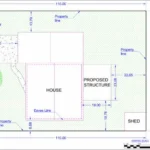
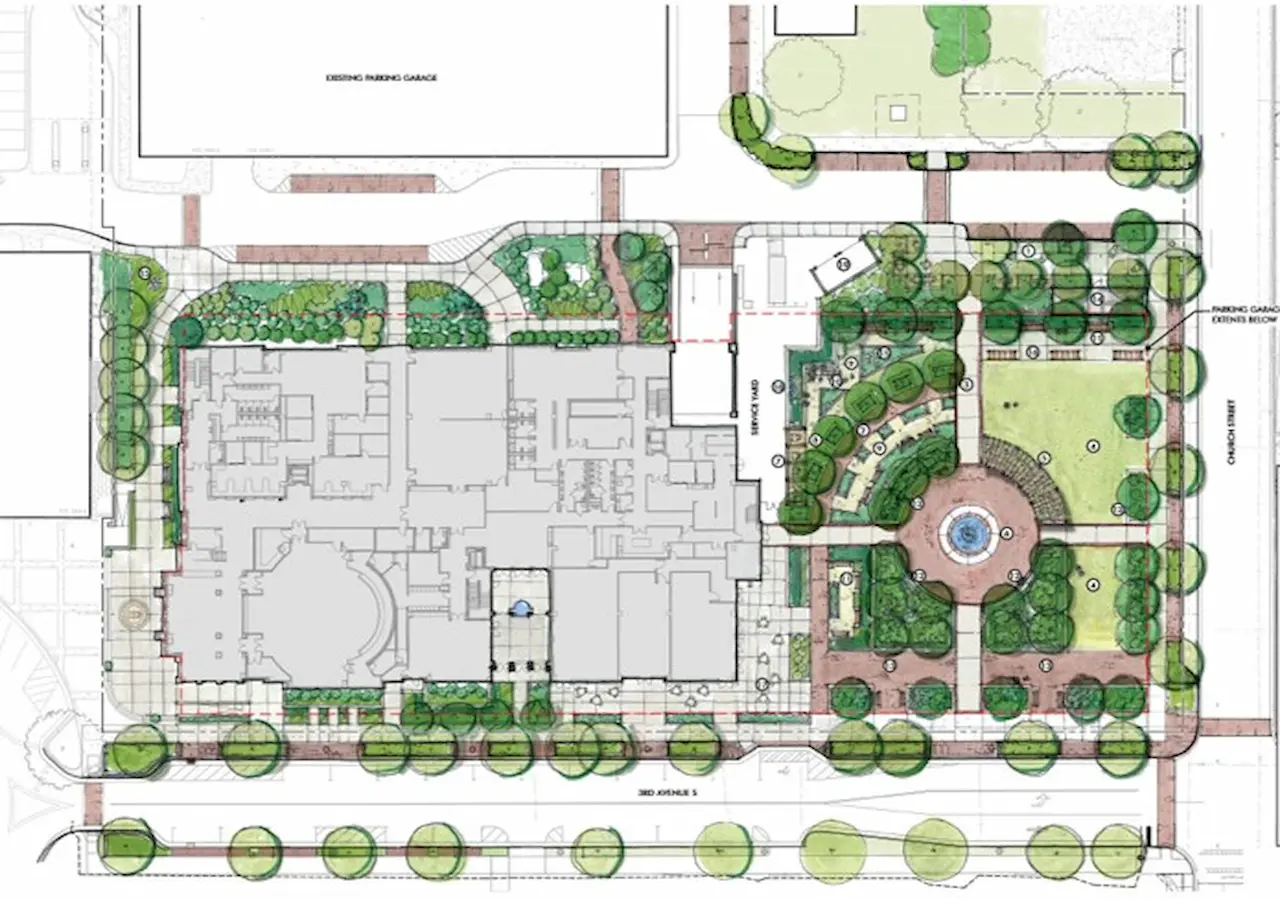
City reviewers carefully analyze how structures are positioned on the property. This part of the evaluation ensures the proposed development fits within local development standards.
Officials verify:
• Distance between buildings and property lines
• Driveway access and vehicle circulation
• Location of existing structures
• Impact on neighboring properties
I prioritize a strategy that clearly shows property boundaries and measurements on every drawing. When these details are clear, reviewers can evaluate the proposal faster.
This stage plays a major role in determining whether the site plan review process moves smoothly or encounters multiple revision requests.
Infrastructure and Safety Review
Beyond zoning rules, city departments must also ensure that the development will not create safety or infrastructure issues. Several municipal divisions may participate in this evaluation.
These departments often include:
• Public works
• Engineering
• Transportation
• Stormwater management
I have seen firsthand that infrastructure reviews often reveal hidden issues related to drainage, utility access, or traffic flow.
Drainage and Stormwater Considerations
Cities must protect communities from flooding and drainage problems. Because of this, reviewers evaluate how water will move across the property after construction.
Officials analyze grading, drainage paths, and runoff management. If water from the project could affect neighboring properties or public roads, modifications will be required.
I always advise clients to ensure the drainage details are clear in their drawings. Poor drainage planning is one of the most common causes of revision requests.
Access and Emergency Safety
City planners also evaluate how people and emergency vehicles can access the property. This ensures safety during daily use as well as emergencies.
Reviewers examine driveway locations, access points, and road connectivity. In some cases, fire departments also review the layout to ensure emergency vehicles can reach the structure.
I prioritize a strategy that ensures the property layout allows safe access without blocking public infrastructure or neighboring driveways.
Revision Requests and Corrections
After the technical evaluation, city reviewers often provide feedback or correction requests. This does not necessarily mean the application is rejected. Instead, it means the city requires specific adjustments before approval.
I have seen firsthand that revision requests are a normal part of the process. Most applications receive at least one round of comments.
Typical correction requests may involve:
• Adjusting building setbacks
• Clarifying property measurements
• Updating driveway locations
• Improving drainage details
When these comments arrive, the applicant must revise the drawings and resubmit them to the city for another review cycle.
At SitePlans.online in the USA, I always advise clients to treat revision feedback carefully and respond quickly. A well prepared response often moves the application forward much faster.
Final Review and Permit Approval Preparation
After the requested corrections are completed, the city performs a final verification to confirm that all requirements are satisfied.
I have seen firsthand that this stage moves quickly when the revisions directly address the reviewer comments. When corrections are incomplete, the application may enter another review cycle.
During the final verification, the planning department confirms that:
• All zoning requirements are satisfied
• Infrastructure concerns have been addressed
• Safety considerations meet city standards
• Documentation is complete and accurate
Once these conditions are met, the application moves toward permit approval.
At SitePlans.online USA, I prioritize a strategy that anticipates reviewer expectations before submission. This approach reduces revision cycles and helps clients move through the site plan review process more efficiently.
Understanding this internal review workflow helps property owners prepare stronger applications and avoid unnecessary permit delays.
Conclusion
Understanding how the review stage works helps property owners avoid delays and unnecessary revisions. I have seen firsthand that when plans are prepared correctly and follow city requirements, the approval journey becomes far smoother. The key is knowing what officials evaluate and addressing those requirements before submission. With proper preparation and professional guidance, moving through the site plan review process becomes far more predictable and efficient.
Why Choose Us
When I work with property owners, I focus on creating plans that meet city expectations from the start. At SitePlans.online USA, I prioritize accuracy, compliance, and clear documentation so projects move through municipal reviews with fewer complications.
• Experienced team that understands permit requirements across U.S. cities
• Professionally prepared plans designed for faster municipal approval
• Clear and accurate drawings that meet city submission standards
• Reliable guidance throughout the permit preparation process
• Trusted support from SitePlans.online USA for homeowners and contractors
Frequently Asked Questions
How long does a site plan review usually take at City Hall?
The review time depends on the city and project complexity, but many municipalities complete the first review within one to three weeks.
Who reviews a site plan after submission?
Planning departments typically lead the evaluation, while zoning officials, engineering teams, and infrastructure departments may also review the documents.
Can a site plan be rejected during review?
Yes, if the plan does not follow zoning rules, setback requirements, or safety standards, the city may request revisions before approval.
What happens if the city asks for revisions?
Applicants must update the drawings according to the reviewer comments and resubmit them for another evaluation.
Do homeowners need professional help to prepare a site plan?
While some simple projects may be prepared independently, I always advise working with
professionals to ensure the drawings meet municipal standards and avoid delays.