When we prepare a commercial site plan for planning commission review, our goal is to ensure the development meets local zoning regulations and planning requirements before construction begins. Most cities and counties require a detailed site plan so planning officials can review how a project will be built, including building placement, parking layout, access points, utilities, and overall property design. By understanding how the submission process works and preparing accurate drawings, we can help developers, contractors, and property owners avoid delays and move their projects through the planning approval process more efficiently.
Understanding Commercial Site Plans
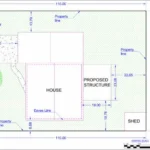
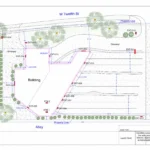
A commercial site plan is a detailed drawing that shows how a commercial property will be developed. It provides planning officials with a clear visual layout of the proposed project and how it interacts with surrounding infrastructure.
Site plans typically include property boundaries, building locations, parking areas, driveways, landscaping, sidewalks, and utility connections. These drawings allow planning departments to verify that the development follows zoning regulations and local planning policies.
Planning commissions rely on site plans to evaluate important aspects of a project such as traffic flow, building setbacks, drainage systems, and land use compatibility. Without a properly prepared site plan, developers cannot receive building permits or planning approvals.
Gathering Property Information
Before preparing a commercial site plan, accurate property information must be collected. Reliable data ensures that the plan reflects the true dimensions and conditions of the property.
This information usually comes from property surveys, parcel maps, and official land records. These documents help identify lot boundaries, property size, and any existing structures on the site.
Developers must also consider nearby streets, sidewalks, and utility lines. Some projects may require elevation or drainage information to ensure proper stormwater management.
Designing the Commercial Site Plan

Once property data is available, the next step is preparing the commercial site plan drawing. This drawing should clearly show how the proposed development will fit on the property.
One of the most important components of a site plan is the building footprint. This shows the size and position of the building relative to property boundaries and surrounding features. Planning officials review this placement to ensure the project respects zoning setback requirements.
Parking design is another key element. Many cities require a minimum number of parking spaces depending on the building type and size. The site plan should show parking areas, accessible spaces, and vehicle circulation routes.
Traffic access must also be carefully planned. Driveways and entrances should allow vehicles to enter and exit the property safely while minimizing congestion on nearby roads.
Submitting the Site Plan for Review
After preparing the drawings, the site plan must be submitted to the local planning department. Most municipalities require developers to complete an application and include supporting documents with the site plan.
These materials often include architectural elevations, floor plans, and a written description of the project. Larger developments may require additional documentation such as traffic studies or drainage reports.
Some planning departments accept digital submissions through online portals, while others require printed copies submitted directly to the city office.
Planning Commission Evaluation
During the review process, the planning commission evaluates the site plan to determine whether the project meets zoning regulations and community planning standards.
Commission members analyze factors such as building placement, parking capacity, traffic access, and environmental considerations. They also review whether the development fits well with surrounding properties.
In some cases, public hearings may be held so nearby residents can provide feedback about the proposed project. After reviewing the plan and any public input, the commission may approve the project, approve it with conditions, or request revisions.
Addressing Revisions
It is common for planning commissions to request small adjustments before granting final approval. These revisions may involve changes to parking layouts, landscaping plans, or traffic access points.
Developers who respond quickly to these requests can often move through the approval process more efficiently. Updating the site plan based on planning recommendations helps ensure the project fully complies with local development regulations.
Why Choose Us
Preparing a commercial site plan that meets planning commission standards requires experience, accuracy, and knowledge of zoning requirements. Our team specializes in creating permit-ready site plans designed to meet city and county regulations.
We use advanced mapping tools and reliable property data to produce clear and accurate drawings that planning departments can easily review. Every site plan includes detailed property boundaries, building placement, parking layouts, and utility connections to ensure compliance with development guidelines.
Conclusion
Submitting a commercial site plan for planning commission review is a necessary step in obtaining approval for any commercial development project. A well-prepared site plan allows planning officials to evaluate how a project will impact zoning, infrastructure, and surrounding properties.
Developers who prepare accurate drawings and provide complete documentation are more likely to receive faster approvals and avoid costly delays. Clear planning and professional site plan preparation help ensure the project moves smoothly from proposal to construction.
FAQs
What is a commercial site plan?
A commercial site plan is a detailed drawing that shows how a commercial property will be developed, including buildings, parking areas, utilities, and landscaping.
Who reviews commercial site plans?
Commercial site plans are typically reviewed by the local planning department and planning commission before construction permits are issued.
How long does the review process take?
The timeline varies depending on the municipality and the complexity of the project. Some reviews take a few weeks, while others may take longer if revisions are required.
Can a site plan be prepared without visiting the property?
Yes. Many site plans are created using GIS mapping data, parcel records, and satellite imagery, which allow accurate drawings without a physical site visit.
What documents are required for commercial site plan approval?
Most planning departments require a site plan drawing, property survey, architectural elevations, parking layout, landscaping plan, and utility connection details.
Who prepares commercial site plans?
Commercial site plans are typically prepared by civil engineers, architects, or professional site planning specialists who understand zoning regulations and municipal development requirements.