When you decide to install a fence, it usually feels like a straightforward project. You want privacy, security, or simply a defined boundary for your property.
But before you start building, most cities require you to apply for a permit and that process begins with a site plan.
You might assume a fence is too simple to require detailed documentation. But from a building department’s perspective, fences affect property lines, visibility, safety, and even neighborhood standards.
If your site plan is missing key details, your permit can be delayed or rejected.
So before you apply, you need to understand what building departments expect and how those requirements can vary depending on the city.
What Is a Fence Permit Site Plan?
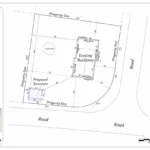
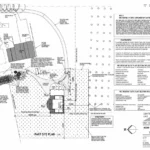
A fence permit site plan is a scaled drawing whether for a residential site plan or commercial site plan that shows your property layout and exactly where your fence will be installed.
You are showing the building department:
- Property boundaries
- Existing structures
- Proposed fence location
- Height and layout of the fence
Think of it as a simple but precise visual explanation of your fencing project.
If your plan is clear and complete, your approval process becomes much faster.
Why Fence Site Plan Requirements Vary by City
This is where many homeowners get confused.
Fence permit requirements are not the same everywhere.
Each city has its own rules based on:
- Zoning regulations
- Property density
- Safety standards
- Neighborhood guidelines
For example, one city may allow a 6-foot backyard fence, while another may restrict front yard fences to 3 or 4 feet.
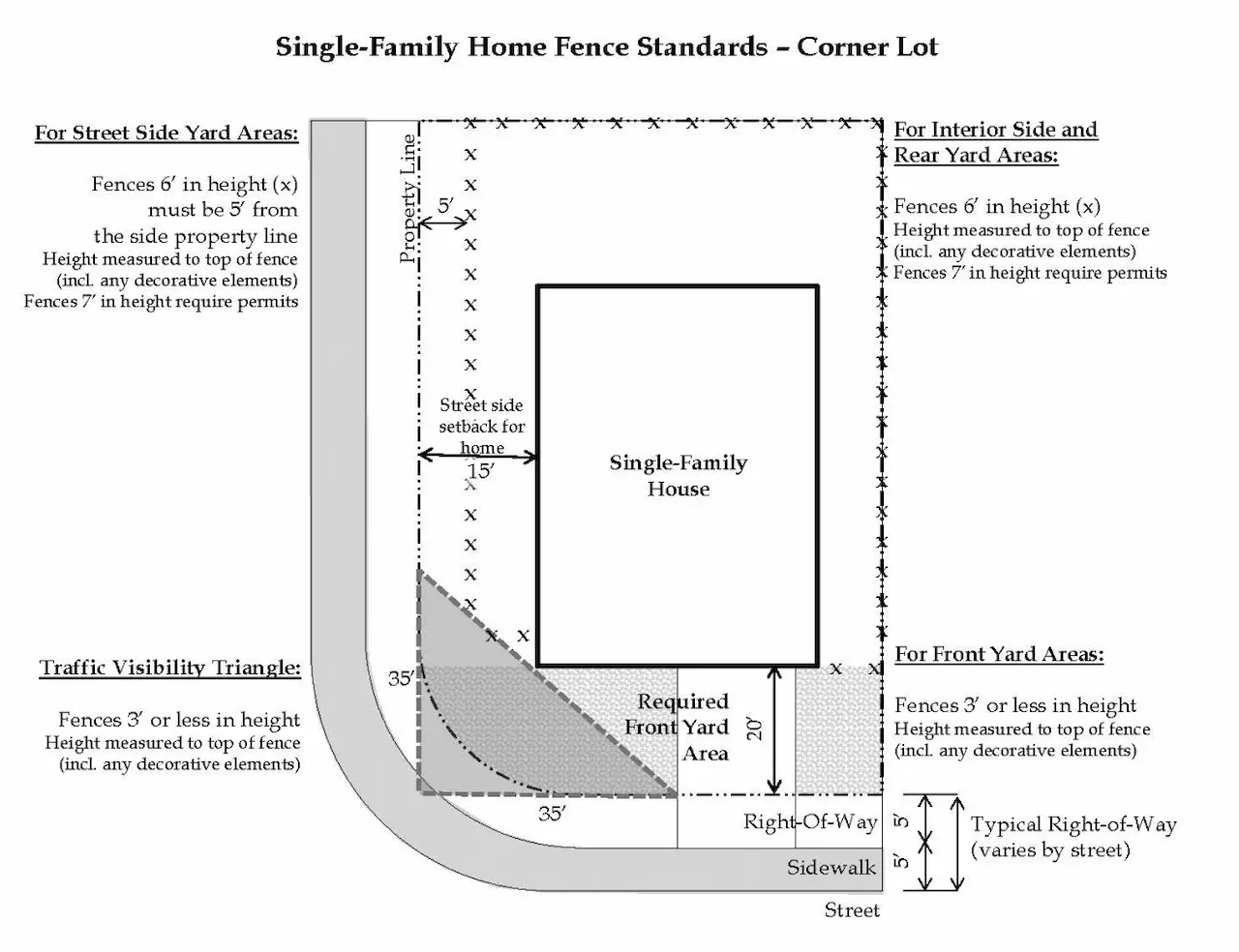
Some cities also have strict rules about corner lots, visibility, and proximity to sidewalks.
That’s why your site plan must not only be complete—it must align with your specific city’s requirements.
Core Elements Required in Most Fence Site Plans
Even though rules vary, there are core elements that almost every building department requires.
Let’s go through them step by step.
Property Lines and Boundaries
Your site plan must clearly define your property.
You need to show:
- All property lines
- Lot dimensions
- Corners of the property
This ensures your fence is built within your boundaries and not on your neighbor’s land.
Accuracy is critical here, so you should rely on a survey or plat map whenever possible.
Existing Structures on the Property
You must include everything currently built on your lot.
This includes:
- Your house
- Garage or sheds
- Driveways and walkways
- Existing fences (if any)
This gives the reviewer context for your fence placement.
Proposed Fence Layout
This is the main focus of your site plan.
You must clearly show:
- Fence location along property lines
- Sections of fencing (front, side, rear)
- Length of each segment
Make sure the layout is easy to read.
The reviewer should instantly understand where the fence will be installed.
Fence Height and Type
Many homeowners overlook this, but it’s essential.
You need to indicate:
- Fence height (front yard vs backyard)
- Fence type (wood, vinyl, metal, etc.)
Different cities have different height restrictions, especially in front yards or near streets.
If this information is missing, your application may be delayed.
Setbacks and Offsets (If Required)
In some cities, fences must follow specific setback rules.
For example:
- Fences may need to be set back from sidewalks
- Corner properties may require visibility triangles
- Certain zones may restrict placement near roads
You must show these distances clearly if your city requires them.
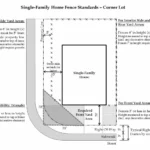
Corner Lot Visibility (Critical for Safety)
If your property is on a corner, this becomes very important.
Building departments often require:
- Clear visibility at intersections
- Reduced fence height near corners
Your site plan should indicate these visibility zones to ensure compliance.
Gates and Access Points
If your fence includes gates, you need to show:
- Gate location
- Direction of opening (if required)
This is especially important for safety and access.
Easements and Utility Areas
You must identify any easements on your property.
These may include:
- Utility lines
- Drainage areas
- Public access zones
You cannot install a fence in certain easement areas without approval.
If you ignore this, your permit may be rejected.
North Arrow and Scale
Even for a simple fence project, these are required.
Your plan must include:
- A north arrow
- A clear scale (e.g., 1” = 20’)
Without scale, your drawing lacks accuracy and may not be accepted.
How Fence Requirements Differ by City
While the core elements stay similar, the rules can change depending on your location.
In some cities, backyard fences can go up to 6 or 8 feet, while front yard fences are limited to 3 or 4 feet.
Other cities focus heavily on aesthetics and may require specific materials or designs.
Some areas enforce strict rules for corner lots to ensure drivers have clear visibility at intersections.
And in certain neighborhoods or HOA-controlled areas, additional approvals may be required beyond the city permit.
That’s why you should always check your local building department guidelines before preparing your site plan.
Common Mistakes That Delay Fence Permits
Even a simple fence project can face delays if your plan is not prepared correctly.
One common mistake is not clearly showing property lines. If boundaries are unclear, the reviewer cannot confirm compliance.
Another issue is missing fence height details. Without this, the building department cannot verify zoning rules.
You also need to avoid ignoring easements. Installing a fence over restricted areas is a major violation.
And finally, submitting a plan that is not to scale can result in immediate rejection.
How You Can Get Your Fence Site Plan Approved Faster
If you want faster approval, you need to focus on clarity.
Your site plan should be:
- Easy to read
- Clearly labeled
- Accurate and complete
You should highlight your proposed fence so it stands out from existing features.
Before submitting, review your plan carefully and ask:
“Does this answer every question the building department might have?”
If yes, you are ready.
Should You Prepare It Yourself or Hire a Professional?
For simple fence projects, you may be able to prepare your own site plan.
But if your property includes:
- Corner lot conditions
- Easements
- Complex layouts
Then working with a professional can save you time and reduce the risk of rejection.
It often costs less than dealing with multiple revisions.
Final Thoughts
A fence permit site plan may seem simple, but it plays a critical role in getting your project approved.
If your plan is incomplete or unclear, delays are almost guaranteed.
But if you take the time to include all required details and align with your city’s rules, the process becomes much smoother.
So before you apply, make sure your site plan is clear, accurate, and complete.
Because approval isn’t just about building a fence it’s about showing it correctly, as explained in our FAQs. Contact us for expert help to ensure your plan meets all requirements.
Frequently Asked Questions:
What is required on a fence permit site plan?
A fence permit site plan must include property lines, existing structures, fence layout, height, gates, easements, and orientation details like scale and north arrow.
Do all cities require a permit for a fence?
Not all cities require permits for every fence, but many do especially for taller fences or those in front yards.
How tall can a residential fence be?
Fence height limits vary by city, but backyard fences are often allowed up to 6 feet, while front yard fences are usually shorter.
Can I install a fence on my property line?
In many cases, yes but you must confirm with your local regulations and ensure it does not violate setbacks or easements.
Why was my fence permit denied?
Common reasons include unclear property lines, missing height details, building over easements, or submitting a plan that is not to scale.