When you’re planning a home projectwhether it’s a new build, addition, garage, or even a deckyou quickly realize that getting a permit is not optional. And one of the first things the building department asks from you is a residential permit site plan.
You might think, “It’s just a drawing of my propertyhow complicated can it be?” But this is where most delays happen.
If your site plan is incomplete, unclear, or missing key details, your permit application can get rejected or delayed for weeks.
So in this guide, you will understand exactly what building departments expect, what you need to include, and how you can avoid costly mistakes.
What Is a Residential Permit Site Plan?
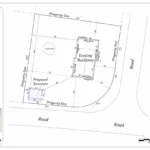
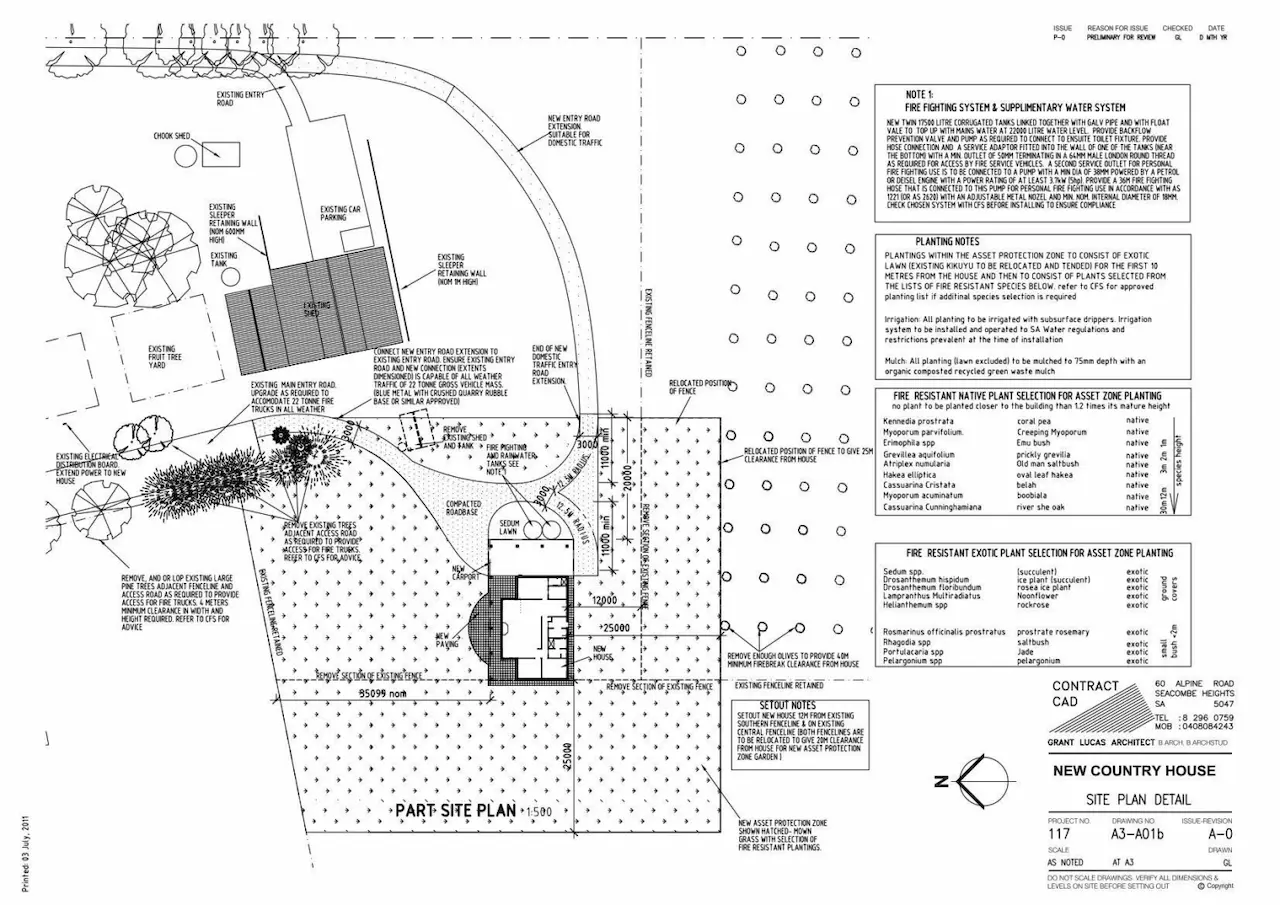
A residential permit site plan is a scaled drawing that shows your property and everything on ityour house, structures, boundaries, and the new construction you’re proposing.
Think of it as a bird’s-eye view of your property.
When you submit this plan, you are basically telling the building department:
- “Here’s what currently exists”
- “Here’s what I want to build”
- “Here’s how it fits within zoning rules”
Your goal is to make it so clear that the reviewer doesn’t have to guess anything.
Why Building Departments Require a Site Plan
Before you start drawing, you need to understand why this is required.
Building departments are not trying to make your life difficultthey are checking compliance with:
- Zoning laws
- Property setbacks
- Lot coverage limits
- Easements and utilities
- Drainage and grading rules
If your project violates any of these, it can create safety issues, legal disputes, or infrastructure problems.
So your site plan becomes the main document that proves your project is compliant.
Key Elements Required on a Residential Site Plan
Let’s break down exactly what you need to include. This is where most people make mistakes.
Property Lines and Dimensions
You must clearly show all property boundaries.
This includes:
- Lot shape
- Length of each side
- Property corners
If you skip this or provide rough estimates, your plan will likely get rejected.
You should ideally use a survey or plat map for accuracy.
Existing Structures
Everything already on your property must be shown.
This includes:
- Your main house
- Garage or shed
- Driveways
- Pools
- Decks or patios
You’re showing the reviewer what currently exists before any new work begins.
Proposed Construction
This is the most important part of your site plan.
You need to clearly show:
- The new structure (addition, garage, deck, etc.)
- Exact location on the lot
- Dimensions (length, width, height if needed)
- Distance from property lines
You are essentially answering:
“Where exactly will this project sit?”
Setbacks (Critical for Approval)
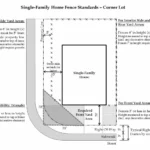
Setbacks are the minimum distances your structure must maintain from property lines.
Your site plan must show:
- Front setback
- Side setbacks
- Rear setback
Most importantly, a well-prepared commercial site plan should clearly show the exact distance from your structure to each boundary. Without this information, permit applications are often denied or sent back for revision.
Easements and Right-of-Way Areas
Easements are areas on your property where you cannot build.
These could include:
- Utility lines
- Drainage paths
- Access routes
You must clearly mark these zones.
If your proposed structure overlaps an easement, the building department will flag it immediately.
Driveways and Access Points
Your plan should show how people and vehicles access your property.
Include:
- Driveway location
- Parking areas
- Entry/exit points
Some cities also check visibility and safety for driveways.
Utilities and Connections
Depending on your project, you may need to show:
- Water lines
- Sewer connections
- Electrical connections
- Gas lines
This is especially important for new constructions or major additions.
North Arrow and Scale
This might seem small, but it’s mandatory.
Your site plan must include:
- A north arrow (to show orientation)
- A scale (e.g., 1 inch = 20 feet)
Without scale, your drawing is considered non-technical and may be rejected.
Grading and Drainage (If Applicable)
If your project affects land levels, you may need to include:
- Slopes
- Drainage direction
- Elevation changes
This ensures water does not flow into neighboring properties.
Common Mistakes That Delay Permit Approval
Even if you include everything, small mistakes can still cost you time.
Here’s what you should avoid:
You should never submit a site plan that is hand-drawn without scale. It may look fine to you, but to a reviewer, it signals inaccuracy.
Another common mistake is missing setback measurements. You might show the structure, but if you don’t label distances, it’s incomplete.
You also need to avoid outdated or incorrect surveys. If your property layout has changed or the data is inaccurate, your plan will not be approved.
And finally, cluttered drawings create confusion. If your plan isn’t clean and easy to read, it can delay approval contact us today for professionally prepared site plans that help streamline the permitting process.
How You Can Prepare a Site Plan That Gets Approved Faster
If you want faster approvals, you need to think like a reviewer.
Make your plan:
Clear, accurate, and professional.
You can either create it yourself using tools like CAD software, or you can work with professionals who specialize in permit-ready site plans.
When you prepare your plan, ask yourself:
- Can someone understand this in 30 seconds?
- Are all measurements clearly labeled?
- Is the proposed structure easy to identify?
If the answer is yes, you are on the right track.
Do You Need a Professional for a Site Plan?
This depends on your project.
For simple projects like fences or small decks, you might be able to prepare your own site plan if you follow guidelines carefully.
But for:
- Home additions
- New construction
- Complex layouts
It’s usually better to work with a professional.
Why?
Because one rejection can cost you more time and money than hiring someone who gets it right the first time.
Final Thoughts
When you submit a residential permit site plan, you’re not just providing a drawingyou’re proving that your project is safe, compliant, and properly planned.
If you take shortcuts, you’ll face delays.
But if you focus on clarity, accuracy, and completeness, you can move through the permit process much faster.
So before you submit your next permit application, take a step back and review your site plan carefully.
Because in most cases, approval doesn’t depend on your project it depends on how clearly you present it, as we explain in our FAQs.
FAQs
What is included in a residential site plan?
A residential site plan includes property lines, existing structures, proposed construction, setbacks, easements, driveways, utilities, and orientation details like scale and north arrow.
Do I need a survey for a site plan?
Yes, in most cases you should use a property survey or plat map to ensure accuracy. Many building departments require it.
Can I draw my own site plan?
You can draw your own site plan for small projects, but it must be to scale and include all required details. For complex projects, hiring a professional is recommended.
Why was my permit site plan rejected?
Common reasons include missing setbacks, incorrect dimensions, lack of scale, unclear drawings, or building over easements.
How long does it take to get approval?
Approval time varies by city, but a clear and complete site plan can significantly speed up the process.