If you’re planning to install a swimming pool, you’re probably thinking about design, size, and cost. But before any of that becomes reality, there’s one step you cannot skip getting your permit approved.
And that approval depends heavily on your site plan.
You might assume a pool is just another backyard addition, but from a building department’s perspective, it’s a safety-sensitive structure. That means stricter rules, more details, and zero room for guesswork.
If your site plan is incomplete or unclear, your application can get delayed or rejected.
So before you submit anything, you need to understand exactly what must be included and how to present it correctly.
What Is a Pool Permit Site Plan?
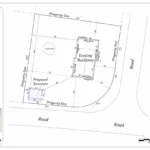
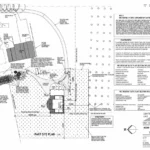
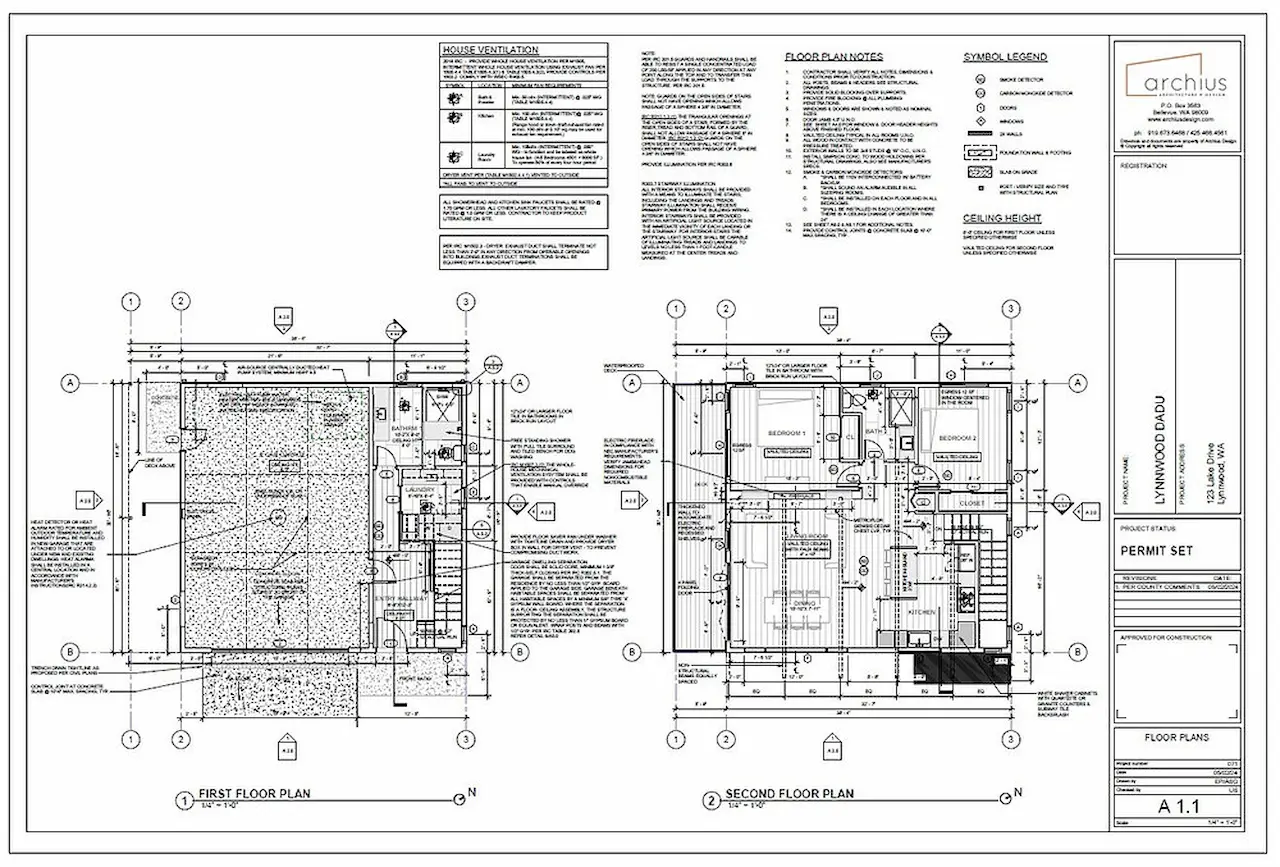
A pool permit site plan is a detailed, scaled drawing essentially a residential site plan that shows your entire property and how your proposed pool fits within it.
You are essentially showing the building department:
- Where the pool will be located
- How far it is from property lines and structures
- How it complies with safety and zoning regulations
Unlike general site plans, pool plans focus more on safety, drainage, and spacing.
Why Building Departments Review Pool Site Plans Strictly
Pools come with risks especially for children, neighbors, and surrounding properties.
That’s why your site plan must demonstrate compliance with:
- Safety barrier requirements
- Setback rules
- Utility clearance
- Drainage and water flow
- Structural spacing
When you submit your plan, the reviewer is asking:
“Is this pool safe, compliant, and properly positioned?”
If your plan doesn’t clearly answer that, it won’t move forward.
Essential Elements You Must Include in a Pool Site Plan
Let’s go step by step so you don’t miss anything.
Property Lines and Lot Dimensions
Your site plan must clearly outline your entire property.
You need to show:
- All property boundaries
- Lot shape and measurements
- Corner points
This forms the foundation of your plan. Without accurate boundaries, nothing else can be verified.
Existing Structures on the Property
Everything currently built on your lot must be included.
This includes:
- Your home
- Garage or shed
- Patio, deck, or porch
- Driveways and walkways
You’re giving a complete picture of the existing layout before adding the pool.
Proposed Pool Location and Dimensions
This is the core of your site plan.
You must clearly show:
- Exact pool placement
- Shape (rectangular, freeform, etc.)
- Length and width
- Distance from all property lines
Make sure your pool is easy to identify on the plan. The reviewer should instantly understand where it sits.
Setbacks (Non-Negotiable Requirement)
Setbacks are one of the most important approval factors.
You must show the distance between:
- Pool and rear property line
- Pool and side property lines
- Pool and your house
These distances must be labeled clearly.
Even a small violation can result in rejection, so accuracy is critical.
Pool Equipment Location
Many people forget this—and it causes delays.
Your site plan must include:
- Pump location
- Filter system
- Heater (if applicable)
- Mechanical equipment pad
Building departments check these for:
- Noise concerns
- Clearance requirements
- Safety compliance
If you don’t show equipment placement, your plan is incomplete.
Fencing and Safety Barriers
Pools require strict safety measures.
You need to show:
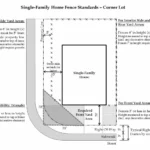
- Fence location around the pool
- Fence height (if required)
- Gates and access points
Some areas also require:
- Self-closing gates
- Locking mechanisms
Your plan must clearly indicate how the pool will be secured.
Utility Lines and Easements
You must identify any underground or overhead utilities.
This includes:
- Water lines
- Sewer lines
- Electrical lines
- Gas lines
Also mark any easements on your property.
You cannot place a pool over certain utility zones, and failing to show them can lead to immediate rejection.
Decking and Surrounding Areas
If your pool includes decking, patios, or lounging areas, these must be shown.
Include:
- Deck layout
- Surface area
- Distance from structures
This helps the building department understand how much space the pool area will occupy.
Drainage and Water Flow
Water management is a major concern.
Your site plan should show:
- How water will drain away from the pool
- Direction of runoff
- Any grading changes
This prevents water from affecting neighboring properties or causing structural issues.
North Arrow and Scale
These technical details are mandatory.
You must include:
- A north arrow for orientation
- A clear scale (e.g., 1” = 10’ or 1” = 20’)
Without these, your plan is considered incomplete.
Common Mistakes That Can Delay Your Pool Permit
Even if you include most details, small mistakes can slow everything down especially in a pe-stamp-site-plan where accuracy is critical.
One common issue is not showing pool equipment. Many homeowners focus only on the pool itself and forget the mechanical systems.
Another mistake is unclear setback labeling. You might measure correctly but fail to show it clearly on the plan.
You also need to avoid ignoring fencing requirements. Safety barriers are not optional, and missing them will almost always result in rejection.
And finally, submitting a plan that is not to scale is a major problem. Building departments rely on precision, not approximations.
How You Can Get Your Pool Site Plan Approved Faster
If you want to avoid delays, your goal should be clarity and completeness.
You should create a plan that answers every question before it’s asked.
Make sure:
- All measurements are labeled clearly
- The pool and equipment are easy to identify
- Safety features are fully shown
- The layout is clean and readable
You don’t want the reviewer to guess anything.
Because every question they have becomes a delay for you.
Should You Create It Yourself or Hire a Professional?
This depends on your situation.
If your pool project is simple and your property layout is straightforward, you might be able to prepare your own site plan. However, for faster approvals and greater accuracy, many homeowners choose to order a site plan online from professionals.
But if you are dealing with:
- Tight setbacks
- Utility constraints
- Complex layouts
Then working with a professional is the smarter choice.
You save time, reduce risk, and increase your chances of approval on the first submission so don’t hesitate to contact us for expert help.
Final Thoughts
Getting a pool permit is not just about submitting paperwork it’s about presenting a clear, compliant plan.
Your site plan is the single most important document in that process.
If you take the time to include all required details, you can move through approvals much faster.
But if you rush it or miss key elements, you’ll likely face delays.
So before you apply, review your site plan carefully.
Because in most cases, approval isn’t about the pool it’s about how clearly you show it, as explained in our FAQs.
FAQs
What is required on a pool permit site plan?
A pool permit site plan must include property lines, existing structures, pool location, setbacks, fencing, equipment placement, utilities, drainage, and scale details.
Do I need to show pool equipment on the site plan?
Yes, most building departments require you to show the location of pumps, filters, and other equipment for safety and compliance checks.
How far does a pool need to be from property lines?
Setback requirements vary by city, but your site plan must clearly show the exact distances to ensure compliance with local zoning rules.
Can I install a pool without a permit?
In most areas, installing a pool without a permit is not allowed and can result in fines or removal orders.
Why do pool permits get rejected?
Common reasons include missing setbacks, no fencing details, unclear drawings, missing equipment locations, or inaccurate measurements.