
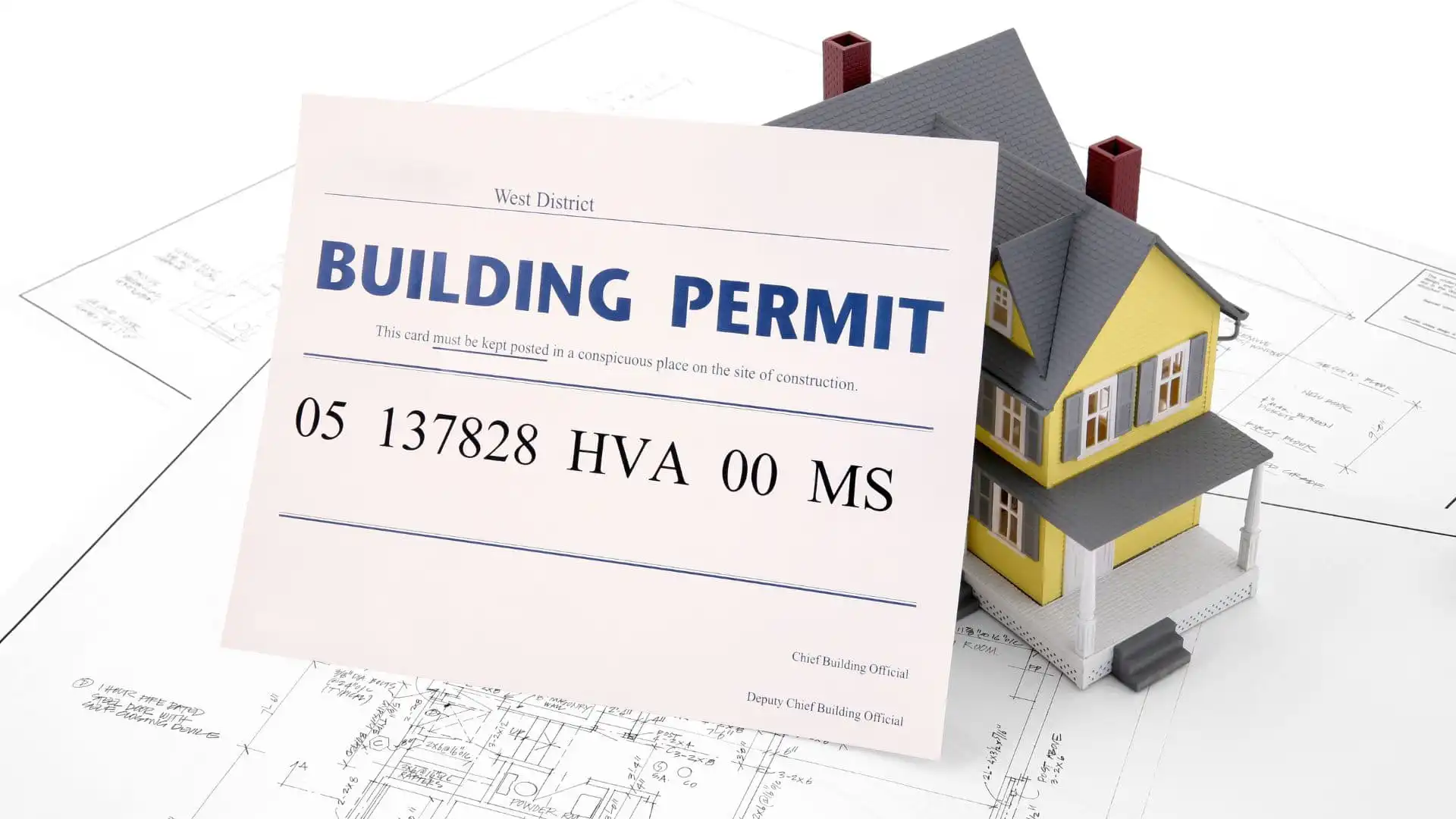
Getting a permit in Florida often starts with one important document: a clear site plan.
Whether someone is planning a pool, fence, shed, driveway, ADU, home addition, commercial improvement, or PE stamped project, the local building department may ask for a site plan before the permit can move forward.
A site plan helps the city or county understand the property layout, where the proposed work will happen, how far it is from property lines, and whether the project may affect setbacks, easements, access, utilities, drainage, or lot coverage.
For Florida-specific permit site plan help, homeowners and contractors can use Site Plans FL for residential plans, commercial plans, PE stamped plans, and permit support across all 67 Florida counties.
What Is a Site Plan?
A site plan is a top-view drawing of a property. It shows existing structures, proposed improvements, property boundaries, and other details required for permit review.
For broader statewide permit information, review our Florida site plans resources covering common residential and commercial projects.
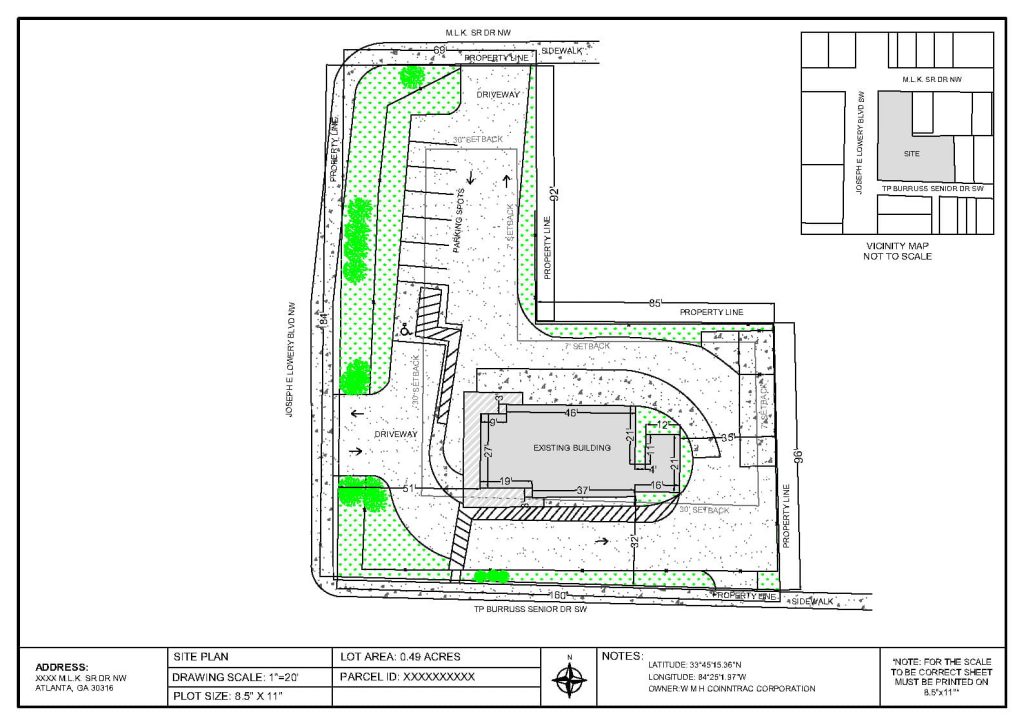
A basic Florida permit site plan may include:
Property lines
Existing home or building footprint
Proposed project location
Setback distances
Driveways and walkways
Pools, fences, sheds, patios, decks, or additions
Easements if available
Lot coverage details
North arrow and scale
Dimensions and labels
Permit notes requested by the city or county
For a Florida-focused explanation, read this guide:
What Is a Site Plan in Florida?
Why Florida Permit Offices Require Site Plans
Florida cities and counties use site plans to review whether a project fits the property and follows local requirements.
A permit reviewer may use the site plan to check:
Setbacks from property lines
Distance between structures
Lot coverage limits
Drainage or impervious surface impact
Access and driveway placement
Pool or accessory structure location
Easements and restricted areas
Commercial parking or circulation
Whether a PE stamp may be required
Without a clear site plan, the permit office may not have enough information to approve the application.
Common Florida Projects That Need a Site Plan
Site plan requirements vary by city, county, and project type, but many Florida projects commonly require one.
Residential Projects
Homeowners may need a site plan for:
Pool permits
Fence permits
Shed permits
Driveway permits
Patio permits
Deck permits
Garage additions
Home additions
ADU projects
Accessory structures
Solar or HVAC-related exterior work
For residential site plan help, visit:
Residential Site Plans in Florida
Commercial Projects
Commercial property owners may need site plans for:
Tenant improvements
Parking layout changes
Office improvements
Retail property updates
Warehouse changes
Commercial additions
Exterior site modifications
Access or circulation changes
Permit resubmissions
For commercial plan support, visit:
Commercial Plans in Florida
PE Stamped Projects
Some projects require a licensed Professional Engineer review and stamp.
A PE stamp may be requested for:
Commercial permits
Structural changes
Drainage or grading work
Retaining walls
Large additions
Certain accessory structures
Reviewer-requested engineering comments
Permit resubmissions
For PE stamp support, visit:
Florida PE Stamp Services
What Should Be Included in a Florida Site Plan?
A good site plan should be easy for the permit reviewer to understand. It should not be confusing, incomplete, or overloaded with unnecessary information.
A strong Florida permit site plan should normally show:
1. Property Address
The plan should clearly identify the property location.
2. Property Lines
The lot boundaries help reviewers understand where the project sits on the land.
3. Existing Structures
This may include the home, garage, shed, driveway, patio, pool, or other existing features.
4. Proposed Work
The new project should be clearly marked and labeled.
5. Setbacks
Setbacks show the distance from the proposed work to the property lines or other required reference points.
6. Dimensions
Dimensions help reviewers confirm size, placement, and spacing.
7. Easements
If known, easements should be shown because they may restrict construction.
8. Driveways and Access
Driveways, walkways, and access points may be required, especially for additions, ADUs, and commercial work.
9. Lot Coverage
Some Florida jurisdictions review how much of the lot is covered by structures or hard surfaces. Site Plans FL also provides a useful Lot Coverage Calculator for early planning.
10. Notes, Scale, and North Arrow
These details help make the drawing easier to read and review.
For a deeper checklist, read:
Florida Building Permit Site Plan Requirements
Why Florida Site Plans Get Rejected
A site plan may be rejected or returned for correction if the permit reviewer cannot clearly verify the required information.
Common rejection reasons include:
Missing setbacks
Incorrect or unclear property lines
Proposed work not clearly labeled
Missing dimensions
No easement information
No north arrow or scale
Lot coverage not addressed
Wrong plan type submitted
Missing PE stamp when required
City or county comments not answered
If a permit has already been rejected, Site Plans FL has a useful tool here:
Permit Rejection Fix Tool
Site Plan vs Survey: What Is the Difference?
A site plan and survey are not always the same thing.
A survey is usually prepared by a licensed surveyor and shows measured property boundaries and existing site conditions.
A site plan is a drawing used for planning or permit review. It may be created using a survey, property records, GIS data, aerial imagery, client sketches, and project details.
In many simple residential projects, a basic site plan may be enough. In other cases, the city or county may require a certified survey or PE stamped plan.
The safest approach is to check the local permit requirements before submitting.
When You May Need a PE Stamped Site Plan in Florida
Not every project needs a PE stamp, but some do.
A PE stamp may be required when the project involves engineering judgment, structural conditions, drainage impact, commercial work, or specific reviewer comments.
Examples may include:
Retaining walls
Structural additions
Commercial site modifications
Drainage changes
Large accessory structures
Foundation-related work
Certain ADU projects
Plans returned with engineering comments
For more details, see:
Florida PE Stamp Site Plan Guide
How Site Plans FL Helps Florida Property Owners
Site Plans FL helps homeowners, contractors, builders, and commercial property owners prepare permit-ready site plans across Florida.
Their services include:
Residential site plans
Commercial site plans
Florida PE stamp support
Permit drawing packages
Permit rejection support
Site plan cost tools
Lot coverage estimates
Free planning tools
You can view all Florida tools here:
Free Tools by Site Plans FL
How the Process Usually Works
The process is simple.
Step 1: Send Project Details
Provide the property address, project type, sketches, photos, survey if available, and city comments if applicable.
Step 2: Plan Review
The drafting team reviews the project and determines what type of plan may be needed.
Step 3: Site Plan Drafting
A clean site plan is prepared based on the property and project scope.
Step 4: Client Review
The client checks the plan and requests updates if needed.
Step 5: Final Delivery
The final plan is delivered for permit submission.
Step 6: Revision Support
If the city or county requests changes, the plan can be revised based on reviewer comments.
Why This Matters for Faster Indexing and Authority
For websites in the site plan, permit drafting, and PE stamp space, topical authority matters. A strong content structure should connect national informational pages with location-specific resources.
That is why Site Plans Online USA can publish national guides while linking to Florida-specific resources from Site Plans FL. This creates a clean topical relationship:
SitePlans.online = national site plan education and permit drafting authority
SitePlansFL.com = Florida-specific site plan and PE stamp support
This helps users find the right resource without confusing Google or creating duplicate pages.
FAQs
1. What is a Florida permit site plan?
A Florida permit site plan is a top-view drawing of a property that shows existing structures, proposed work, property lines, setbacks, dimensions, driveways, easements, and other details needed for city or county permit review.
2. Do I need a site plan for a permit in Florida?
In many cases, yes. Florida cities and counties often request a site plan for pools, fences, sheds, driveways, patios, home additions, ADUs, commercial improvements, and PE stamped projects.
3. What should a Florida site plan include?
A Florida site plan may include the property address, lot lines, existing buildings, proposed project, setbacks, dimensions, easements, driveway access, lot coverage, scale, north arrow, and permit notes.
4. Can I make my own site plan for a Florida permit?
Some cities may accept a homeowner-prepared site plan for simple projects, but many permits require a clearer drafted plan, survey-based plan, or PE stamped plan depending on the project scope and local rules.
5. Is a site plan the same as a survey?
No. A survey is usually prepared by a licensed surveyor and shows measured property boundaries. A site plan is a permit or planning drawing that shows existing and proposed property improvements.
6. Do I need a survey to create a site plan?
A survey is helpful but not always required for basic site plans. For more accurate plans or projects involving property lines, easements, or setbacks, a survey may be strongly recommended or required.
7. What projects usually need a site plan in Florida?
Common projects include pools, fences, sheds, driveways, patios, decks, home additions, garage additions, ADUs, accessory structures, commercial improvements, and permit resubmissions.
8. Do pool permits in Florida require a site plan?
Many Florida pool permits require a site plan showing the pool location, pool deck, equipment area, setbacks, property lines, easements, and existing structures.
9. Do fence permits in Florida require a site plan?
Many cities and counties require a fence site plan showing the fence location, property lines, gates, easements, height, and relationship to existing structures.
10. Do shed permits in Florida require a site plan?
Often, yes. A shed permit site plan may need to show the shed location, setbacks, size, property lines, easements, and existing structures.
11. What is lot coverage on a site plan?
Lot coverage is the percentage of a property covered by buildings, structures, driveways, patios, pools, decks, or other improvements. Some Florida jurisdictions review lot coverage before approving permits.
12. Why do Florida site plans get rejected?
Site plans may be rejected because of missing setbacks, unclear property lines, missing dimensions, missing easements, incorrect structure placement, no scale, missing north arrow, or missing PE stamp when required.
13. What should I do if my permit site plan is rejected?
Read the reviewer comments carefully, identify what information is missing, and revise the site plan to directly address those comments before resubmitting.
14. When is a PE stamp required for a Florida site plan?
A PE stamp may be required for commercial work, structural changes, drainage or grading issues, retaining walls, large additions, or when the building department specifically requests engineer review.
15. Can Site Plans FL help with PE stamped plans?
Yes. Site Plans FL can help with PE stamped site plan support for qualifying Florida residential and commercial permit projects.
16. How long does it take to get a Florida site plan?
Turnaround depends on the project type, available documents, complexity, and whether PE stamp review is needed. Simple residential plans are usually faster than commercial or engineered plans.
17. What documents are helpful for preparing a site plan?
Helpful documents include a property survey, plat map, previous site plan, sketches, photos, permit comments, zoning notes, project measurements, and contractor drawings.
18. Can a site plan be prepared online?
Yes. Many site plans can be prepared remotely using property records, GIS data, aerial imagery, surveys, sketches, photos, and project information provided by the client.
19. Does every Florida county have the same site plan rules?
No. Requirements vary by city, county, zoning district, and project type. Always confirm with the local permit office before submitting.
20. How can I get help with a Florida permit site plan?
You can contact Site Plans FL, send your property address, project details, survey if available, and any permit comments. Their team can review the project and help prepare a permit-ready site plan.
Final Thoughts
A Florida permit site plan is more than a simple drawing. It is a key document that helps the building department understand the project, review property layout, and decide whether the permit can move forward.
If the plan is missing setbacks, dimensions, property lines, lot coverage, or required engineering support, the permit may be delayed.
For Florida homeowners and contractors, the best next step is to prepare a clean, permit-ready site plan before submitting the application.
If you need a professionally prepared drawing, you can get a site plan for a permit based on your property and project requirements.
Take the Next Step With Confidence
Avoid unnecessary delays and prepare for your permit application with greater confidence. Use our free tools to review your project and understand the next steps before moving forward.
ADU Feasibility Checker
Check whether your property may be suitable for an accessory dwelling unit.
Check ADU Feasibility 02Site Plan Checker
Review your drawing for common missing details and potential submission issues.
Review Your Site Plan 03Permit Requirements Checker
Identify the likely permit requirements for your location and project type.
Check Requirements 04Site Plan Cost Calculator
Get a quick site plan cost estimate based on your project requirements.
Calculate Your Cost